Post-election municipal leadership must put service delivery ahead of political uncertainty
South Africa’s incoming municipal leadership faces an urgent challenge to restore financial stability, rebuild failing infrastructure and improve basic services, as coalition negotiations progress in many of the country’s municipalities.
jpg
Following the local government elections on 4 November, which left numerous councils without outright majorities, attention is turning to coalition negotiations and the establishment of municipal administrations capable of delivering meaningful improvements for residents and businesses.
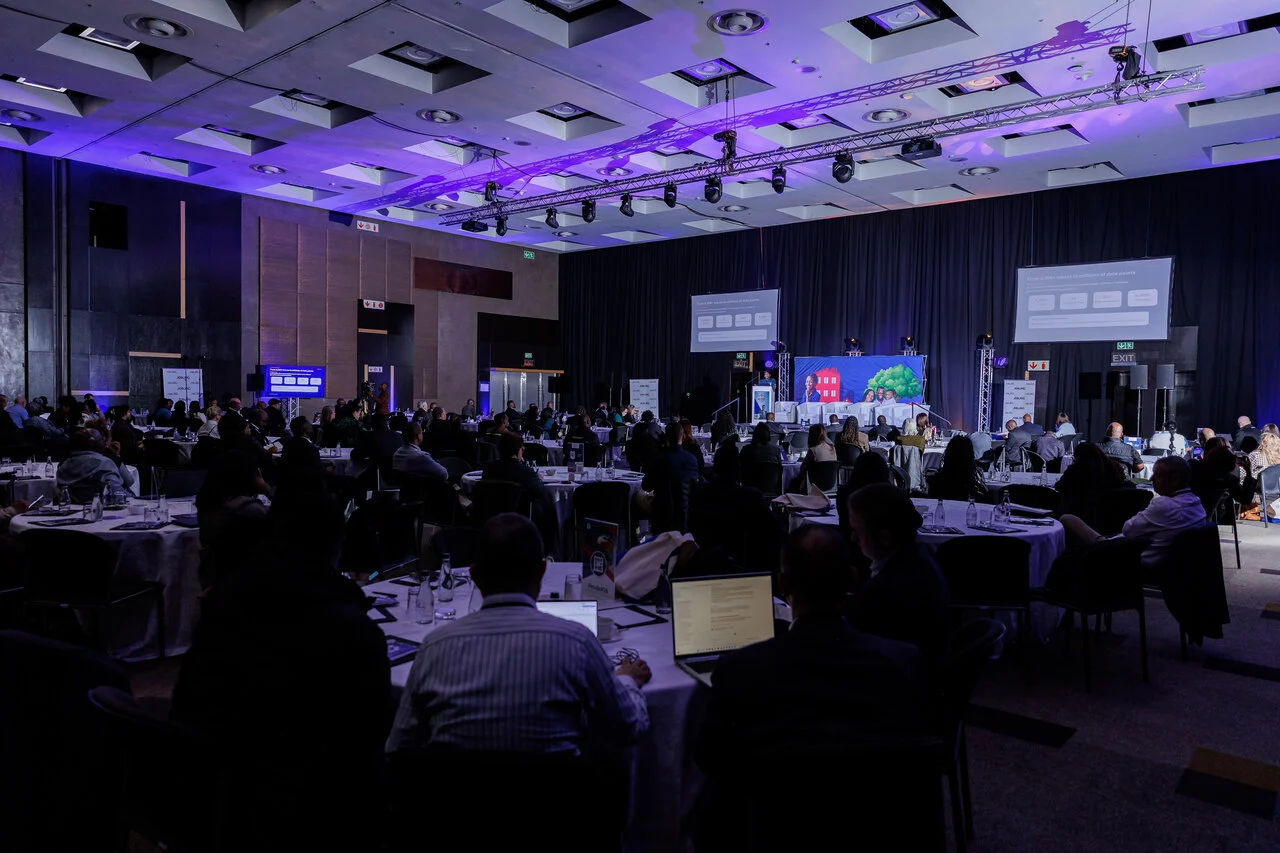
Industry commentators contributing to discussions ahead of Reside Summit 2027, which brings together stakeholders from across South Africa's residential property sector, warn that political changes alone will not resolve the structural and financial problems facing local government. They argue that stable governance, capable municipal administrations and reliable infrastructure must take priority if municipalities are to restore public confidence and support local economic activity.
webp
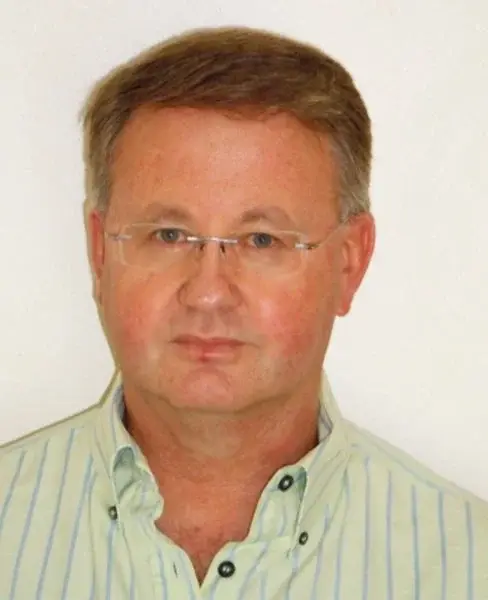
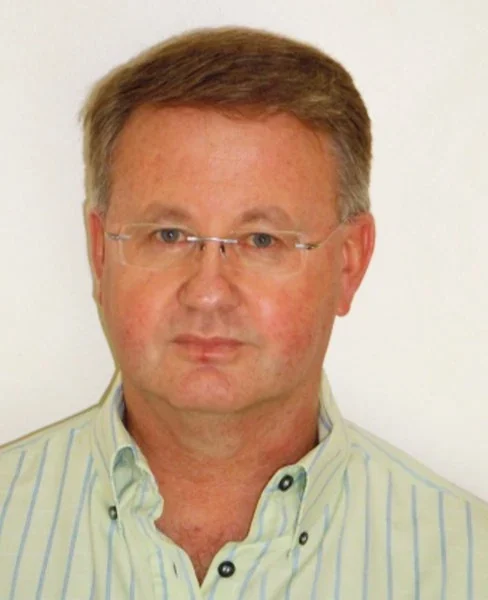
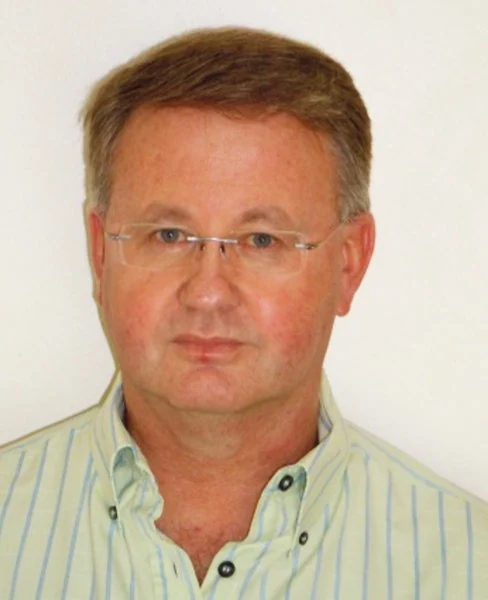
Leon Claassen, Managing Executive, Ratings Afrika.webp
Leon Claassen, Managing Executive of Ratings Afrika, says the financial position of many municipalities is already precarious, with serious consequences for service delivery. “The majority of municipalities in the country are experiencing financial distress, which severely undermines their ability to deliver adequate services and maintain essential infrastructure,” he says. “Unless the elections result in meaningful changes to governance and the way municipalities are managed, their already fragile financial sustainability will continue to deteriorate.”
Claassen warns that continued deterioration could ultimately result in the collapse of service delivery in some municipalities, with devastating consequences for residents and businesses.
Stable governance and accountable leadership
jpg
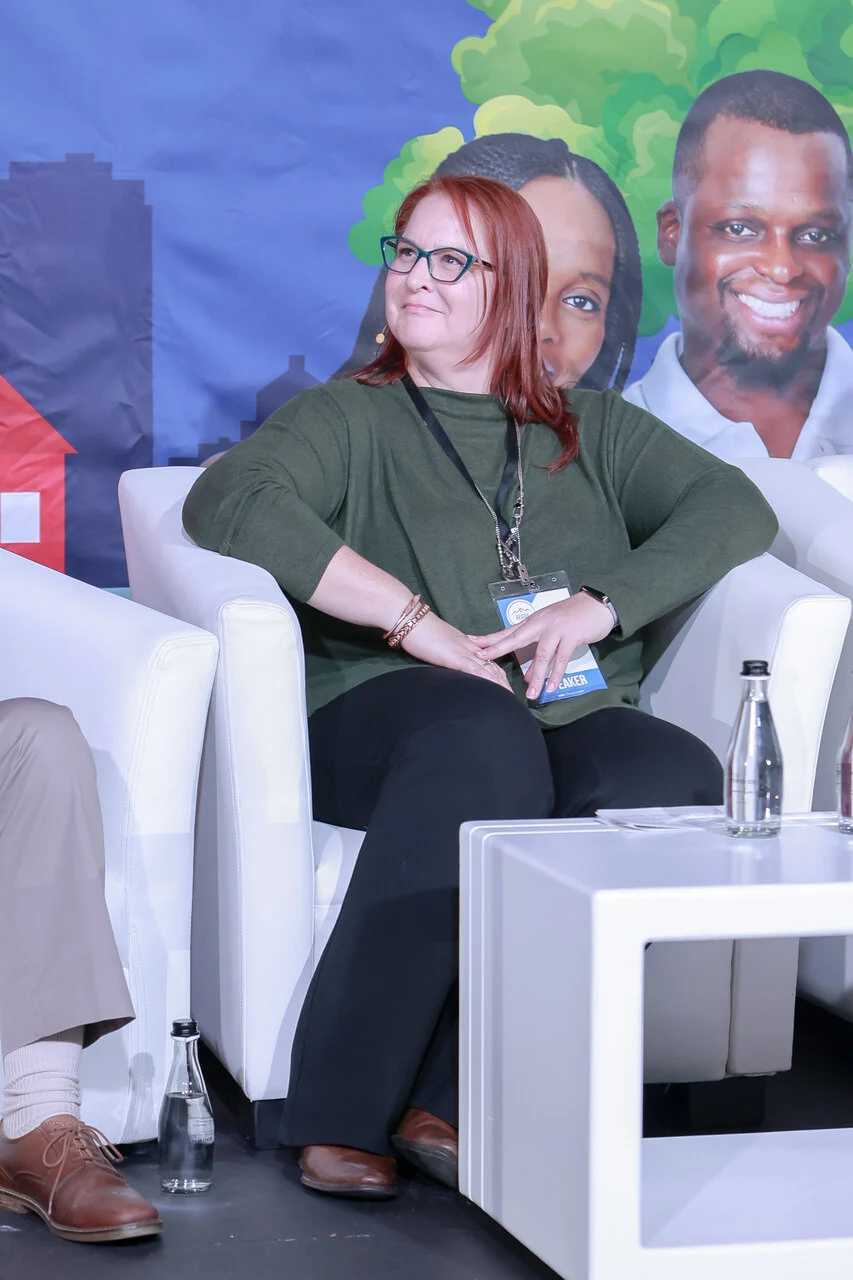
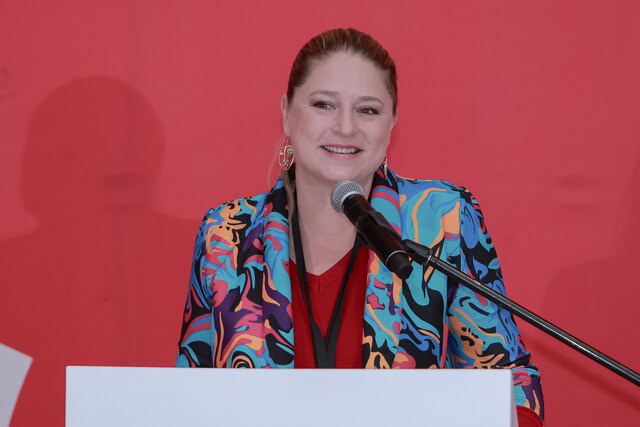
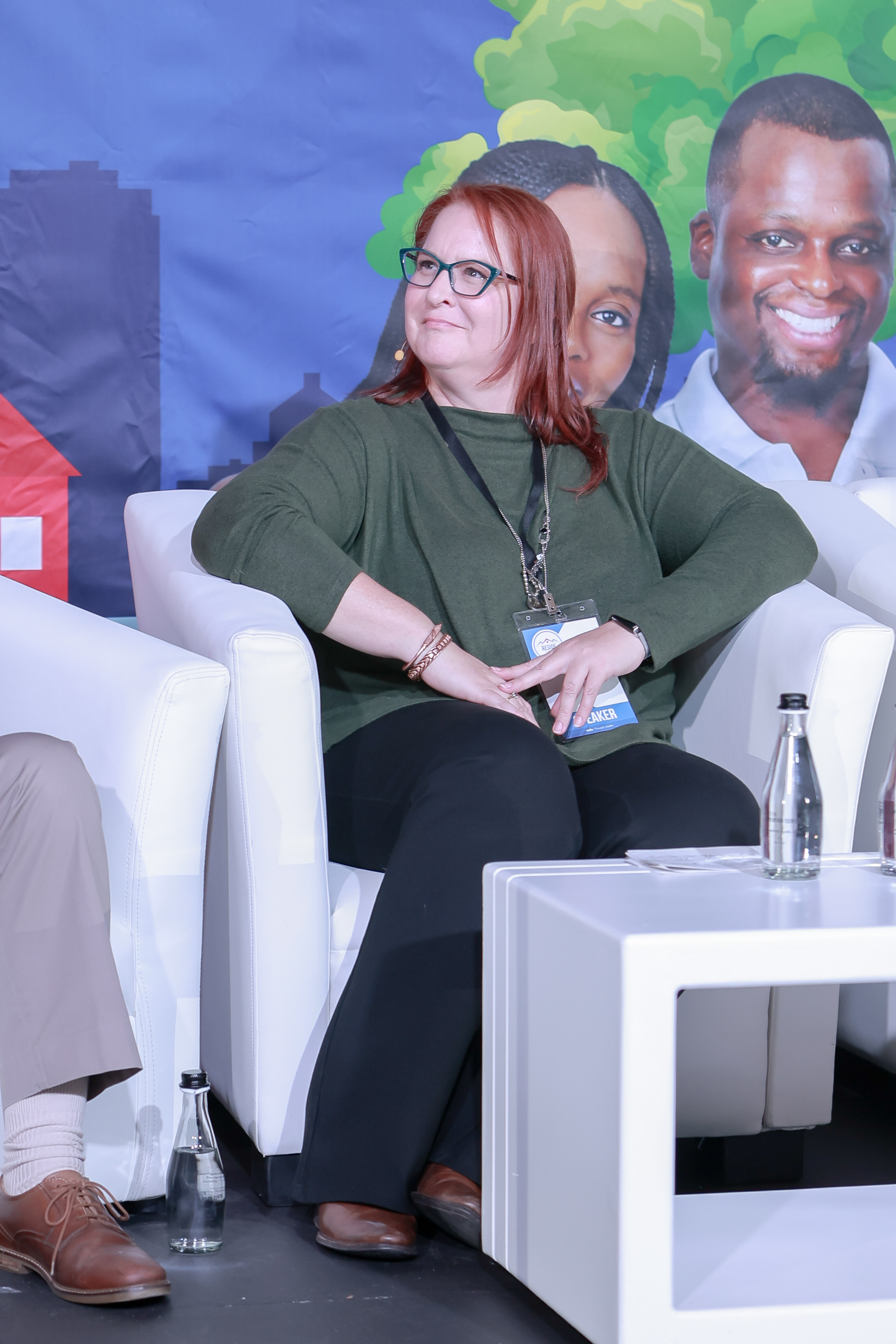
Zodidi Meyiswa, Senior Advisor: Human Settlements, at the South African Local Government Association (SALGA), says that, in her view, restoring reliable basic services and financially sustainable municipal operations should be among the most pressing priorities for incoming leadership. These must be supported by functioning councils, clear political and administrative responsibilities, stronger accountability and professional municipal administrations capable of implementing long-term improvements.
In municipalities where coalition governments are required, Meyiswa emphasises the importance of agreeing on shared service-delivery priorities and establishing governance arrangements that provide continuity and stability, despite differences between political parties.
“Political leadership may change, but municipalities must continue to function. Incoming councils need to establish stable governance arrangements and agree on clear delivery priorities, while ensuring that essential services, maintenance programmes and financial management continue regardless of changes in political leadership,” says Meyiswa.
She also highlights the importance of improving billing and revenue collection, controlling expenditure and protecting funding for essential infrastructure maintenance, while recognising the financial pressures facing households.
Water provision is a particular concern. Meyiswa points out the need for stronger accountability, competent operations and the protection of funding intended for water services, rather than relying solely on announcements of new infrastructure projects.
Beyond immediate service delivery, municipal leadership must also address longer-term challenges, including spatial inequality, climate resilience and the need to create conditions that support local investment and economic development.
Electricity failures put inner-city residential investment under pressure
For Johannesburg’s inner-city residential property sector, the consequences of unreliable municipal infrastructure are already being felt.
jpg
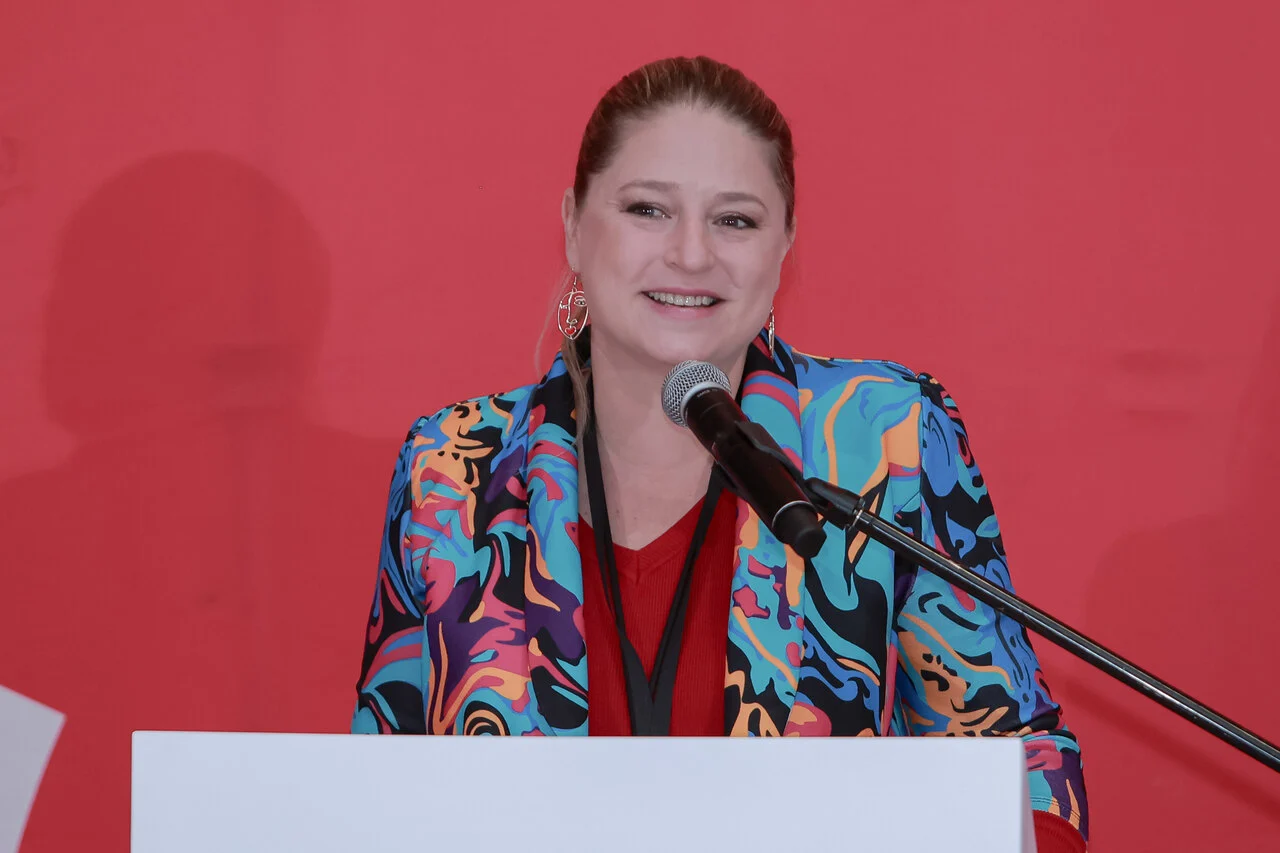
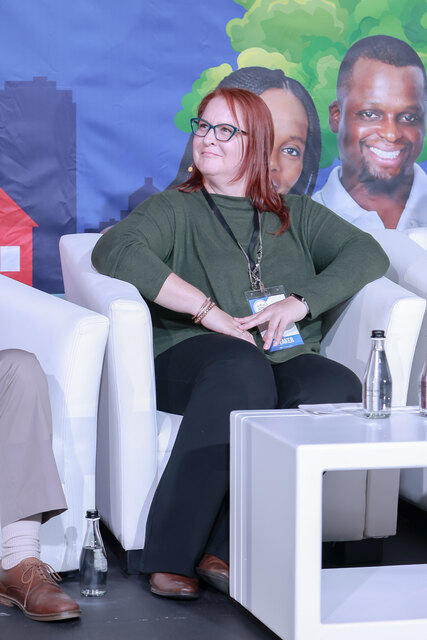
Angela Rivers, Managing Director of the Johannesburg Property Owners and Managers Association (JPOMA) says recurring electricity outages are undermining the confidence of residents and placing additional financial pressure on property owners.
“A tenant’s decision to stay in an inner-city apartment depends on more than the rent, the location or the quality of the building. It also depends on whether daily life works: whether they can cook, study, work, access water and feel secure in their home,” she says.
Repeated electricity interruptions can affect lifts, water pumps, hot water, security systems and internet access, depending on the backup systems available in individual buildings. For residents, the consequences range from additional household expenses to disruptions to work and education.
Rivers says that while there is not yet a verified measure of tenant departures directly attributable to electricity outages, persistent interruptions pose a significant risk to tenant retention and the continued viability of affordable inner-city rental accommodation.
The financial implications for property owners are also substantial.
According to information submitted by a number of JPOMA members as at 14 October, generator costs totalled approximately R8.27 million for the six weeks in September and early October 2026. While this data only represents a portion of the full burden, it illustrates the scale of private expenditure required to keep buildings operational during outages.
These additional costs place further pressure on owners who must balance emergency expenditure with ongoing maintenance, staffing and building improvements, while maintaining affordable rentals.
Rivers says JPOMA's engagement with City Power has focused on immediate restoration as well as longer-term measures to prevent recurring failures, including infrastructure renewal, security, communication and practical cooperation between property owners and the utility.
“Property owners can invest in buildings and tenant services, but retaining residents also depends on municipal infrastructure that works,” she says. “Reliable electricity is essential to protecting those investments, keeping rental housing viable and giving people confidence to make the inner city their long-term home.”
From election promises to measurable delivery
Across these perspectives, the message for incoming municipal administrations is clear: improvements in governance must ultimately translate into tangible changes in the quality and reliability of services.
For residents and businesses, progress will be measured not simply by political agreements, new plans or financial reports, but by whether infrastructure functions, interruptions become less frequent, public resources are managed responsibly and municipalities deliver on their commitments.
jpg
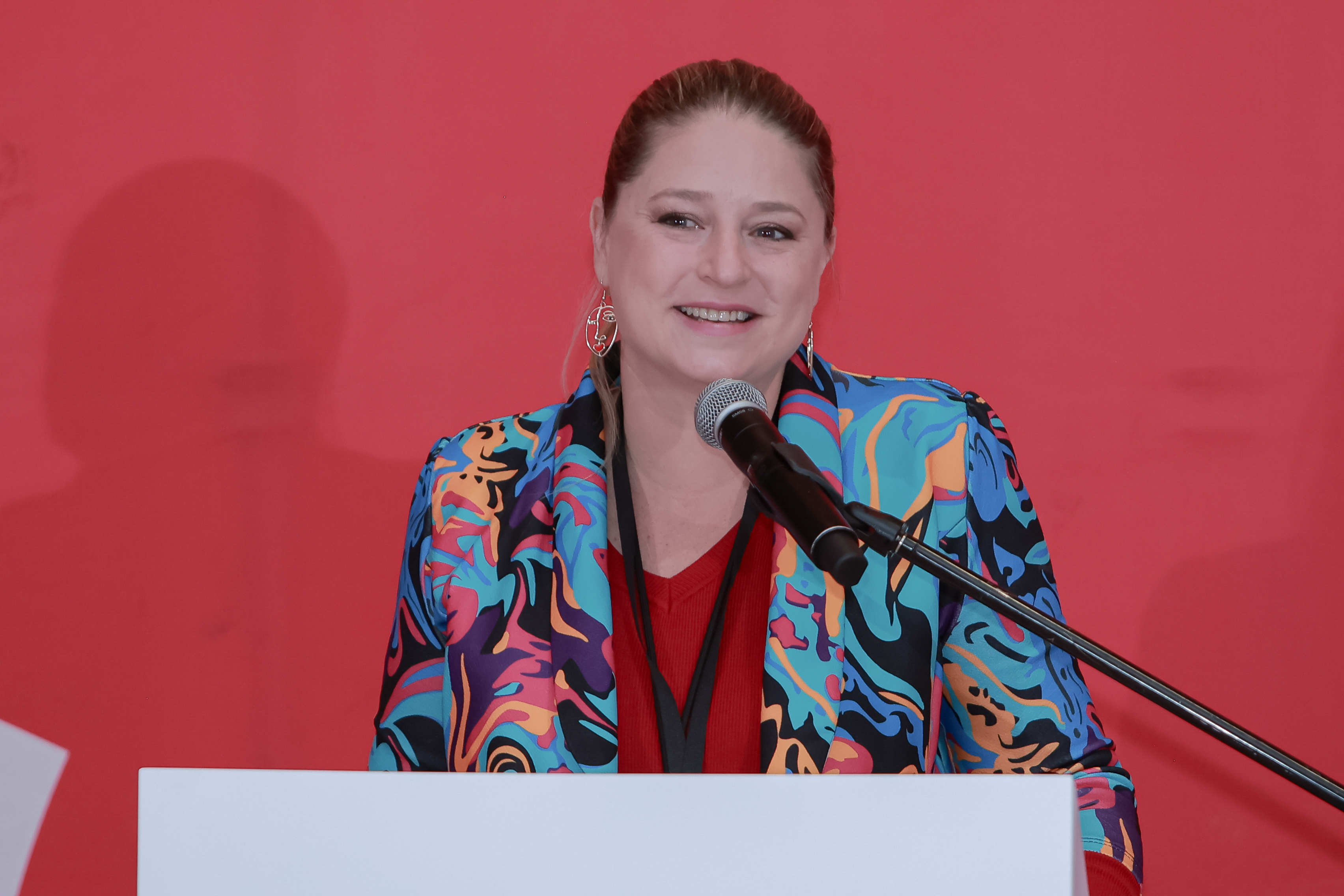
“There is capital, development expertise and a significant housing need. But for housing investment to be feasible, it must be sustainable: no sensible investor will fund homes that will quickly deteriorate into unliveable conditions. Cities that cannot reliably provide the services necessary keep properties safe, liveable and in good repair for their citizens won’t enjoy the increased tax base, and other valuable benefits, that come from new investment in housing,” says Debbie Tagg, CEO of Reside Summit.
Tagg adds, “Government, municipalities, developers and financiers must align and work together to correct the critical housing shortfall. The residential property ecosystem operates across many disconnected stakeholders. Improving this remains a key objective of Reside.”
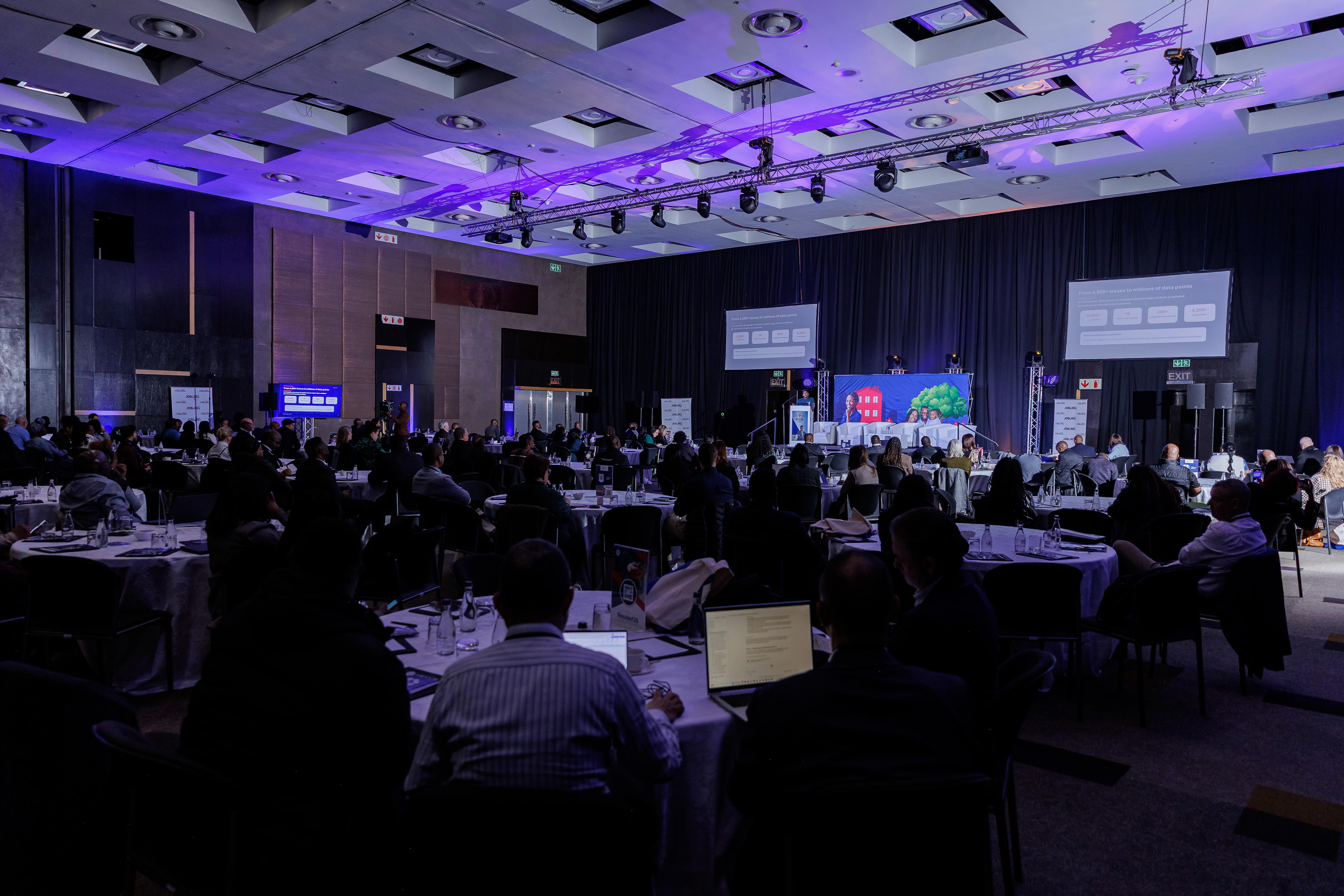
The challenges facing local government, and their implications for residential property investment, development and management, will remain important areas of discussion as the sector prepares for Reside Summit 2027, taking place at Gallagher Convention Centre in Midrand on 19 and 20 May 2027.
…/ends
About Reside Summit
Launched in 2023, the Residential Investment & Development (RESIDE) Summit is South Africa’s annual multisector residential property event. It bridges the gap between the public and private sectors, bringing together government, construction firms, property developers, investors, financial institutions, property professionals and industry bodies from across the value chain. The summit provides a platform for collaboration and knowledge-sharing, with a focus on advancing sustainable, inclusive residential development.
The fifth Reside Summit will take place at Gallagher Convention Centre in Midrand on 19 and 20 May 2027.
JOHANNESBURG – Whether you’re a first-year student sharing a res room, a young family renting your first home, a proud homeowner or a retiree looking for secure and dignified living – housing touch...
The Reside Summit 2026 brings together industry leaders to dissect a market at a turning point, where global uncertainty meets local opportunity, and where specialised living sectors are reshaping ...
Leading voices in real estate, policy and investment issued a strong call for capital to be directed into alternative residential sectors to drive sustainable growth and inclusivity in South Africa...
The third annual Reside Summit kicked off on 9 July 2025 in Johannesburg with a powerful call for public-private partnerships as the essential solution to South Africa’s ongoing housing shortage.
Receive exclusive news
Are you a journalist or do you work for a publication? Sign up and request access to exclusive news.