Reside Summit 2026 proves housing is no longer a siloed conversation
Day one of the Reside Summit 2026 shattered the idea that housing in South Africa is a collection of disconnected fragments. From student accommodation to senior living, affordable rentals to bonded ownership, the message from developers, financiers, and policymakers was unanimous: collaboration is no longer optional – it is necessary.
jpg
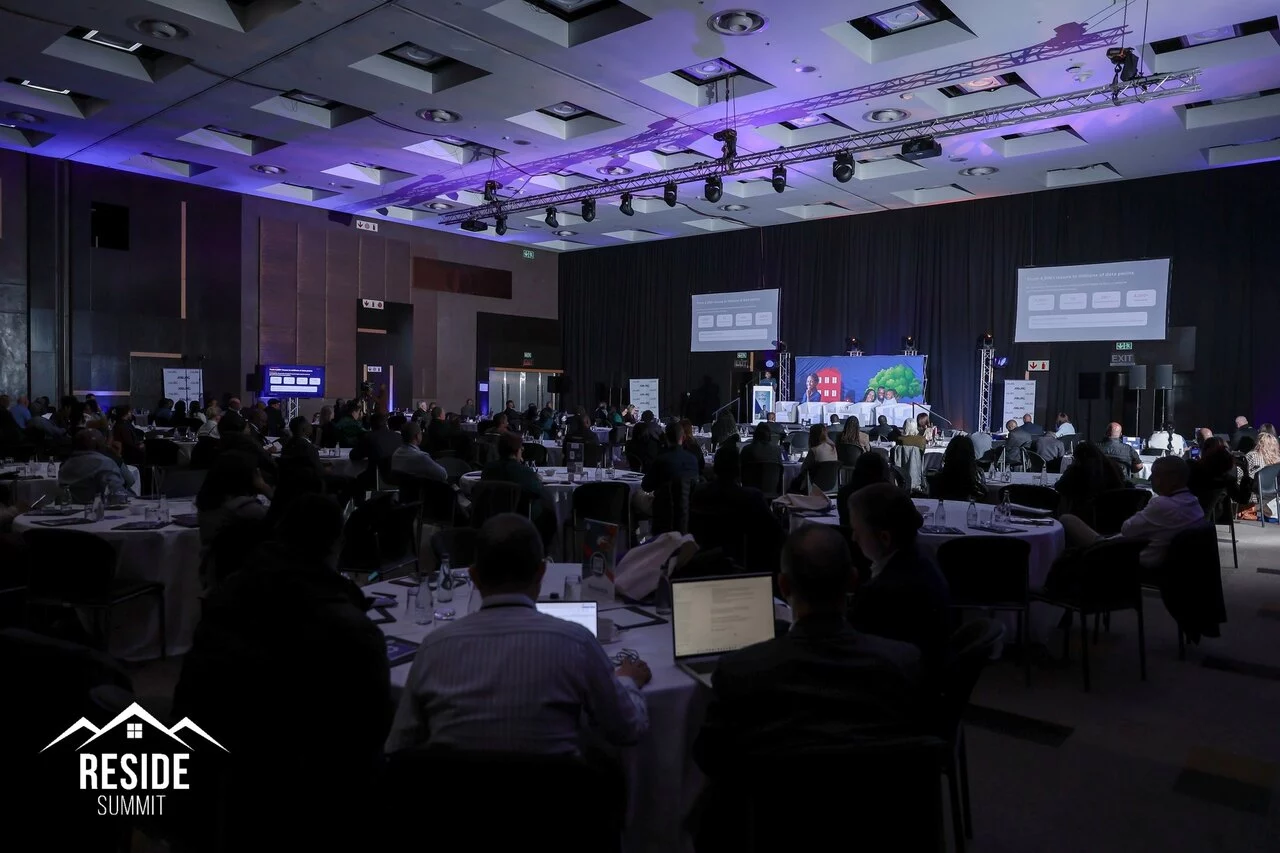
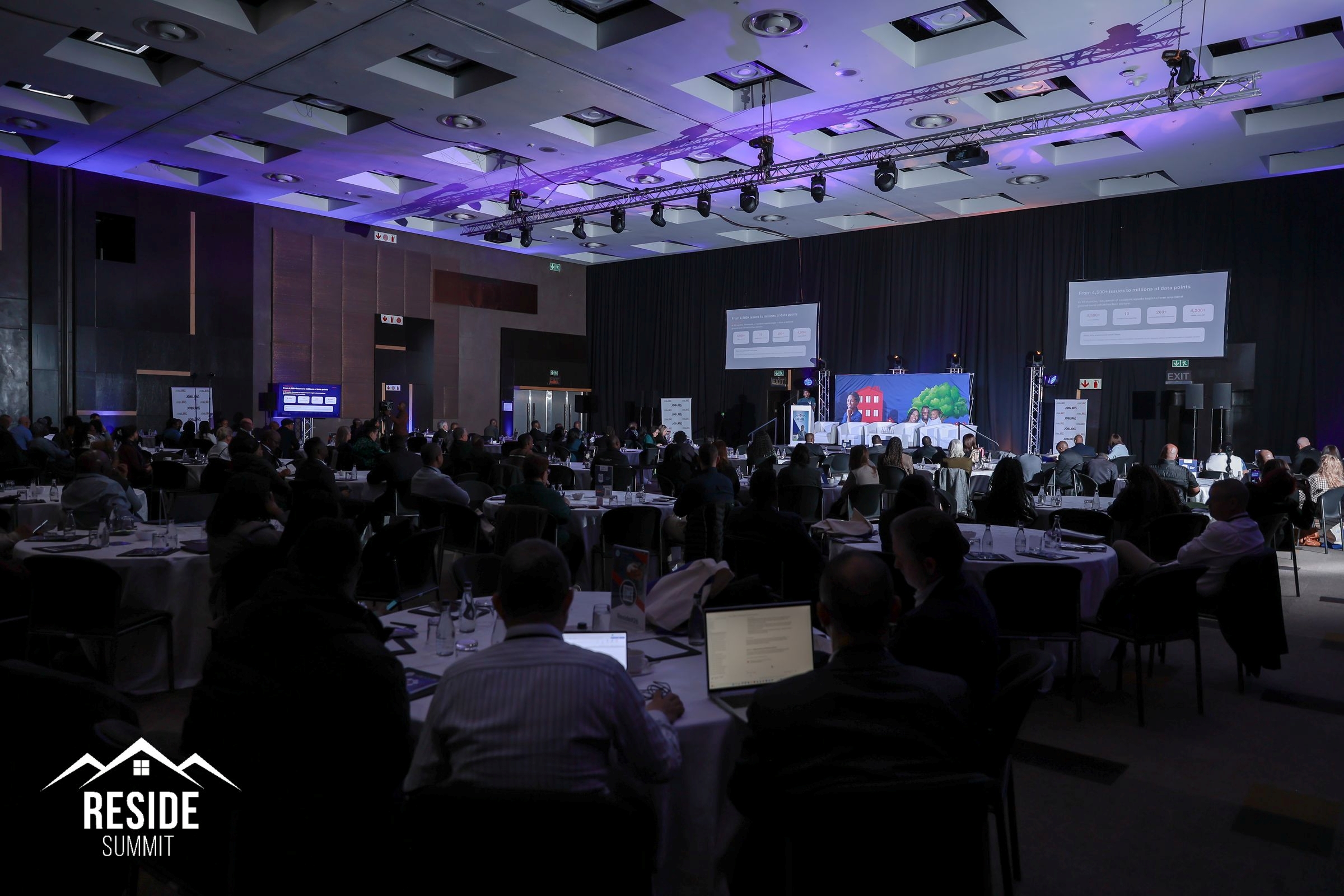
Held at the Sandton Convention Centre from 20 to 21 May, the fourth annual Reside Summit drew over 1,000 delegates, bridging industry silos that have historically operated apart. The core argument repeated across panels and presentations was simple: no single housing segment can succeed in isolation.
A fragmented industry finds its voice
jpg
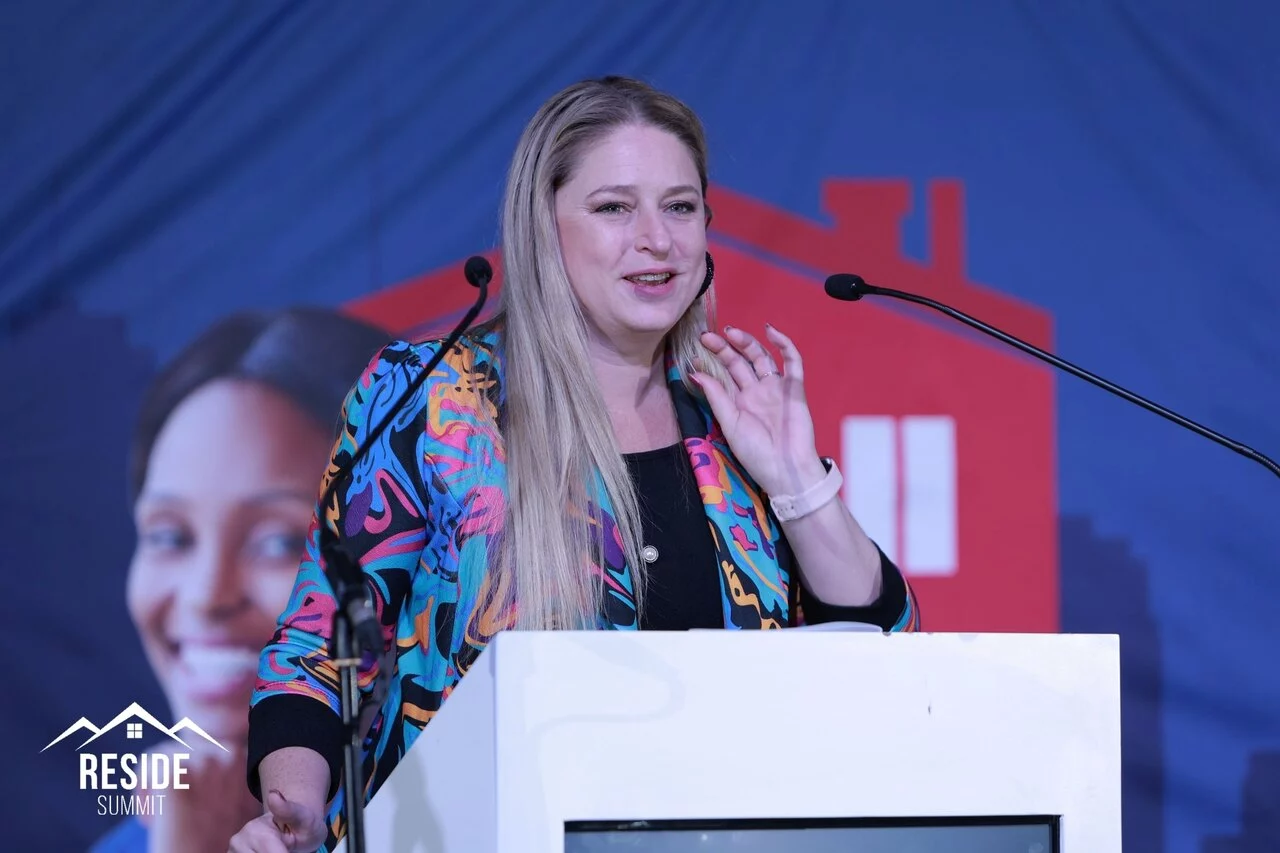
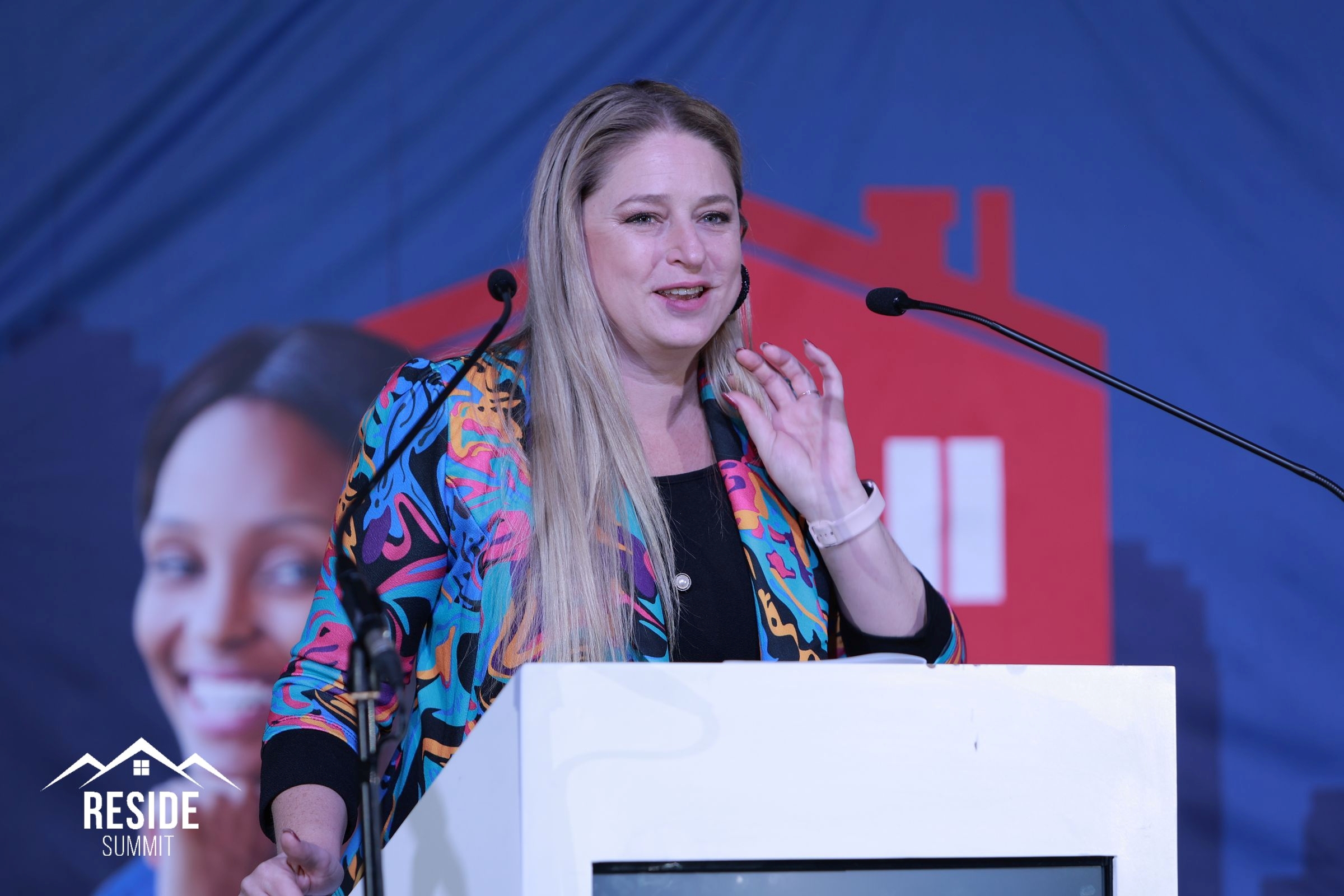
In her opening address, Debbie Tagg, CEO of the Reside Summit, reflected on how far the event has come. “Four years ago, there was a conversation in a coffee shop about a big need for collaboration in residential development,” she said. “It’s a very fragmented industry. You have amazing organisations focusing on commercial property – but nothing in residential.”
She recalled the first conference, held in a room barely a quarter the size of this year’s venue, with just under 200 delegates. “The energy and excitement – every conversation was, ‘Thank you. We need more collaboration.’ That has been the amazing thing about this journey.”
Tagg revealed that the team has identified over 100 industry bodies and associations linked to residential property. “From the plumber right up to the architect – 100. If you’ve been in any other industry, that’s insane. Our commitment is to bring all of them together and reduce obstacles.”
Climate-smart housing is affordable housing
Diep Nguyen-van Houtte, Senior Manager for Climate Market Building Solutions at the World Bank Group’s International Finance Corporation (IFC), delivered a hard-hitting session on data, cities, and the future of housing.
“The headline is simple,” she said. “If we want to scale climate-smart residential development, we need to align policy, investment logic, and practical tools – so we can remove the roadblocks that slow projects down.”
She warned that climate change is no longer abstract. “It hits households, cities, and lenders simultaneously. Insurance companies can tell you this story. Climate-smart housing is not a premium add-on – it’s a cost-of-living intervention when done properly.”
Nguyen-van Houtte introduced the IFC’s toolkit, including Edge certification, which has already certified over 40,000 green homes in South Africa, with 70,000 more in the pipeline. “South Africa has consistently been the country certifying the most. We don’t need to choose between affordability and climate action. We need to design for performance, verify credibly, and finance at scale.”
Construction technology is no longer optional
Professor Jeffrey Mahachi, Head of the School of Civil Engineering and the Built Environment at the University of Johannesburg, brought the house down with a live demonstration of how modern construction methods are tackling development costs and timelines.
“Traditional construction methods may no longer meet modern development demands efficiently,” he said. “We have a housing backlog of 2.5 to 3 million units. Construction technologies are not an option – they are an industry necessity.”
He showcased the university’s 3D-printed house – a 40-square-metre, two-bedroom RDP-style home printed in just 10 hours by postgraduate students who had never built anything before. “The printer cost R7 million, but just like a desktop printer, costs will eventually come down. The question is no longer whether construction technologies will reshape the industry, but how quickly we can adapt.”
Macro pressures and domestic resilience
Miyelani Maluleke, an economist from Absa Group, offered a sobering macroeconomic reflection, warning that the Middle East crisis is already hitting South African pockets. “Petrol prices are up 33% since the start of the conflict. Diesel is up 75%,” he said. “Moving from March, where inflation was 3.1%, inflation has already jumped to 4% in April.”
Despite this, he struck a cautiously optimistic tone. “South Africa has started to put in the difficult groundwork to build resilience. We marked more than 365 consecutive days without load shedding. If you told me that in mid-2023, I wouldn't have believed you. The space has opened up for private sector investment.”
jpg
Moving from ambition to implementation
Palesa Ryan, Head of Social Housing, Affordable Housing, Student Housing, Health Care and Education at the Development Bank of Southern Africa (DBSA), hosted a dedicated Senior Living Lounge at the Summit – a first for the event.
“The DBSA’s presence here is about shifting the conversation from ambition to implementation,” she said. “We want developers, investors and policymakers to see us not just as a financier, but as a strategic partner that helps unlock complex projects and crowd in capital at scale.”
She warned that capital is not the real challenge. “The challenge is accessing bankable projects. There is insufficient project preparation – weak feasibility studies or studies that don’t comprehensively deal with the projects we face.”
Ryan pointed to the Student Housing Infrastructure Programme, which successfully delivered 12,000 units through a partnership between DBSA, National Treasury, and universities. “Platform delivery is going to have to be the way to reach the housing gap of 2.2 to 2.5 million people.”
Investors are waking up to residential
A panel on making the case for residential investment heard that institutional capital is finally taking the sector seriously.
Simon Chemaly, Absa Corporate and Investment Banking’s head of commercial property principal investments, said his team has built a R2.3 billion investment and finance book for affordable housing developers. “Residential offers downside protection. It gives investors a natural hedge against fluctuations in office or retail properties.”
That financial case is now being met with an open door from local government. In a direct address to developers, municipal managers from Ekurhuleni, Johannesburg, and other metros called on the private sector to take up available land parcels across their cities and deliver affordable housing at scale.
“The land is ready,” said Boniswa Duma from the City of Ekurhuleni. “We have parcels sitting across our metros that could house thousands of families. But we cannot build alone.”
Krishni Gounden from the City of Joburg acknowledged that municipal capacity constraints have slowed delivery but argued that well-structured public-private partnerships could unlock dormant sites within months. The message from the managers was urgent: private capital, technical expertise, and development speed are needed now. The municipalities pledged to streamline approvals for qualifying affordable housing projects, provided developers commit to rapid construction and sustainable pricing models.
Reside Summit at a glance
Reside 2026 is South Africa’s premier residential property and housing development conference, taking place on 20–21 May 2026 at the Sandton Convention Centre in Johannesburg. The purpose of the Summit is to accelerate delivery of inclusive, resilient housing across all life stages, income brackets and tenure types – from student beds to senior living and everything in between.
…/ends
ABOUT RESIDE SUMMIT
Launched in 2023, the Residential Investment & Development (Reside) Summit aims to bridge the gap between stakeholders in the public and private sector, construction firms, property developers, investors, financial institutions, and industry bodies.
JOHANNESBURG – The pinnacle of excellence in South African residential property was celebrated on 21 May as the Reside Awards 2026 named its winners at a prestigious ceremony held at the Sandton Co...
JOHANNESBURG – Whether you’re a first-year student sharing a res room, a young family renting your first home, a proud homeowner or a retiree looking for secure and dignified living – housing touch...
The Reside Summit 2026 brings together industry leaders to dissect a market at a turning point, where global uncertainty meets local opportunity, and where specialised living sectors are reshaping ...
The Reside Awards 2026, the premier accolade recognising excellence in South Africa’s residential property sector, has officially opened entries for its fourth annual edition.
Receive exclusive news
Are you a journalist or do you work for a publication? Sign up and request access to exclusive news.