Growthpoint delivers full-year growth through disciplined strategic execution across its diversified portfolio
Growthpoint Properties Limited (JSE: GRT) has reported its full-year results to 30 June 2026 achieving the top-end of guidance with distributable income per share (DIPS) of 152.6 cps (FY25: 146.3cps), up 4.3% from the prior financial year, and a total dividend per share (DPS) of 133.5 cps (FY25: 124.3cps), an increase of 7.4%. The payout ratio was 87.5% for the full financial year (FY25: 85.0%). Net Asset Value of 2,131cps (FY25: 2,054cps) was up by 3.8%.
Performance was led by continued improvement in Growthpoint’s South African portfolio achieved through strategic capital recycling and proactive cost containment, as well as a reduction in both debt and finance costs in South Africa, and another year of spectacular performance from the V&A Waterfront. The stronger Rand and high interest rates were the main factors constraining the contribution of Growthpoint’s offshore investments.
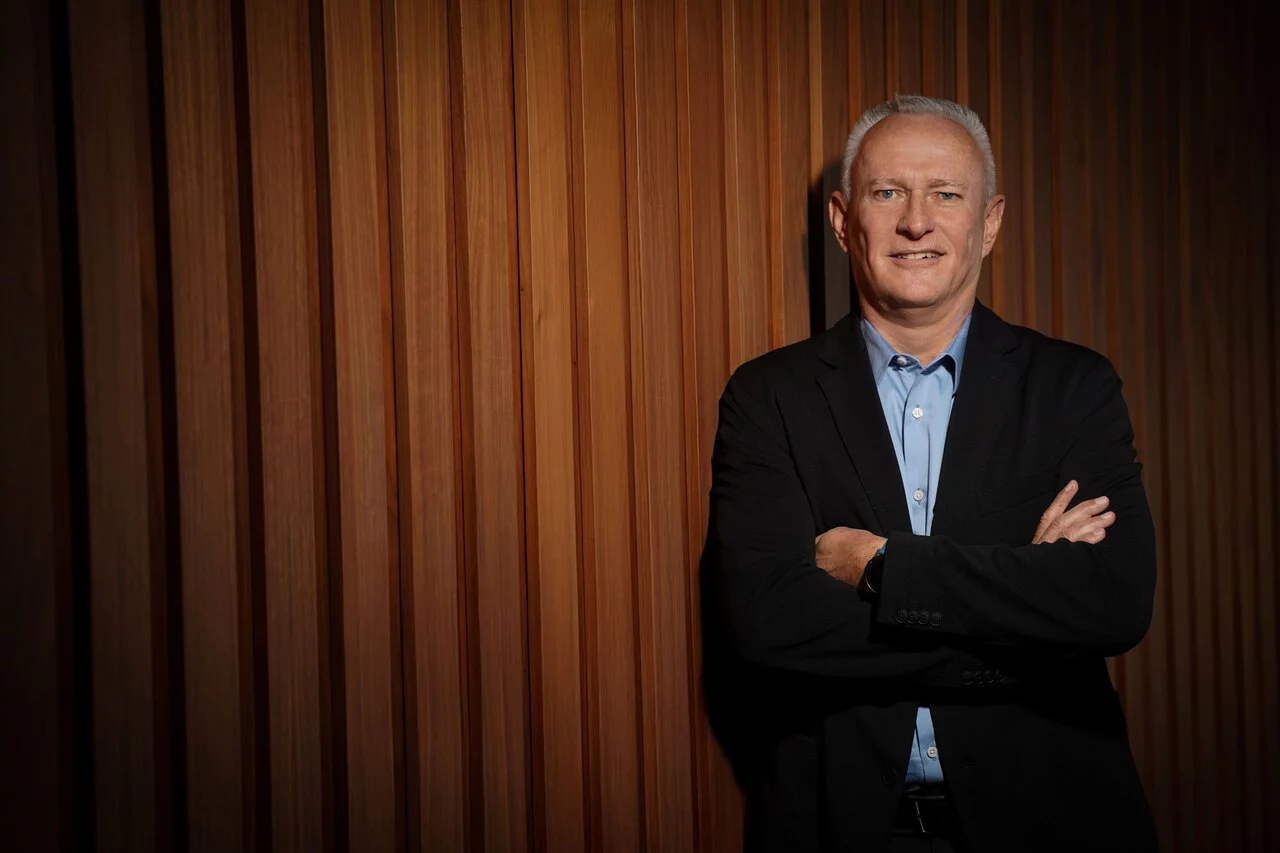
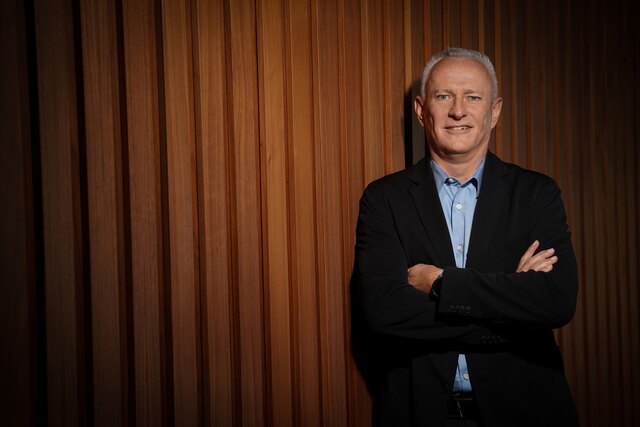
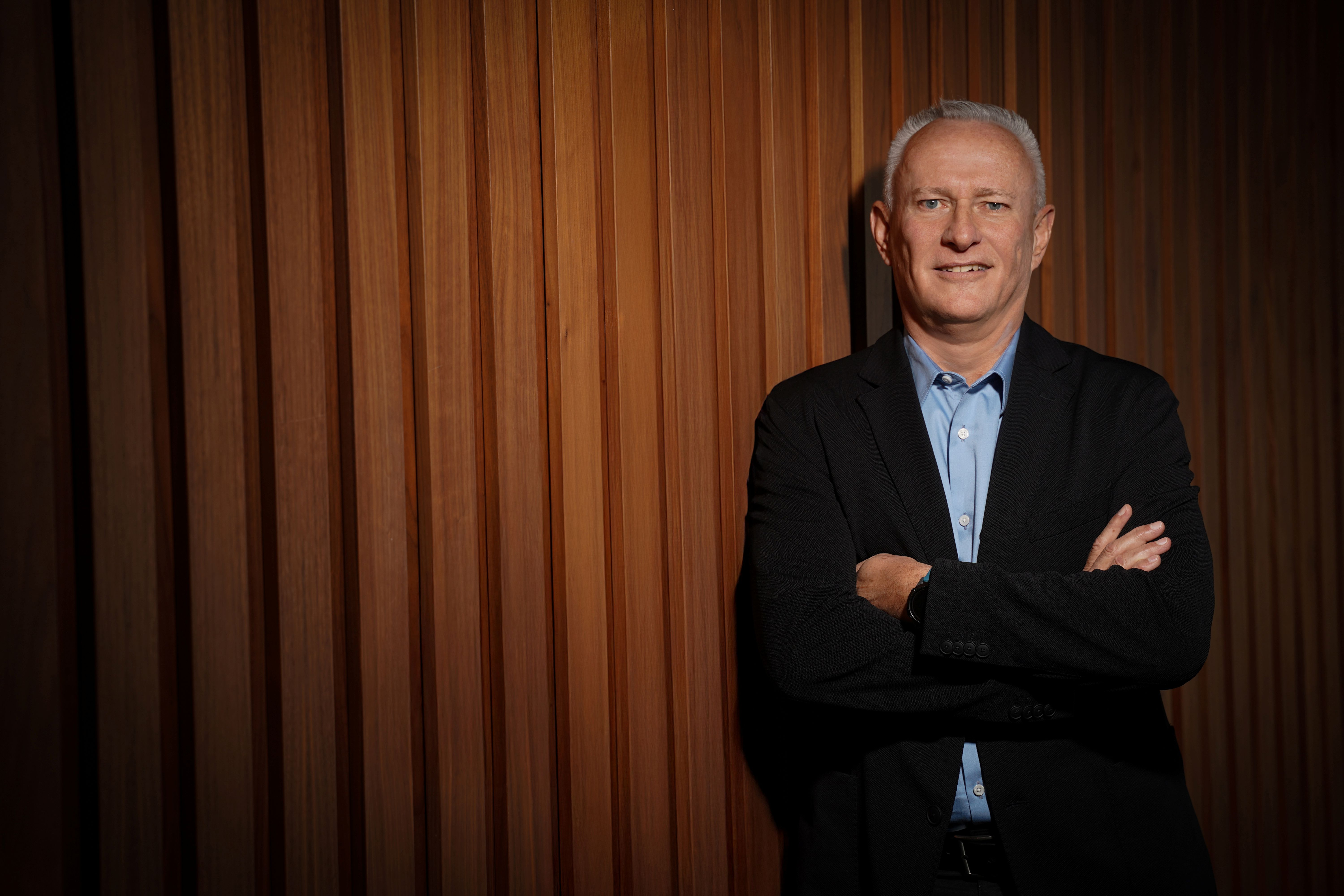
“Through effective strategic execution and disciplined capital management, Growthpoint has done well to deliver solid earnings growth. With nearly R20bn of assets actively recycled over the past decade, Growthpoint has strengthened its portfolio. The balance sheet is robust with low gearing, strong liquidity and significant available funding. Growthpoint is well positioned for its next phase of growth,” says Norbert Sasse, reporting his final set of results as Group CEO of Growthpoint Properties prior to retiring.
Growthpoint delivered rewarding financial results for the full year. Total property assets increased 2.8% to R160.1bn backed by an increase in property valuations of 1.6%. The Group loan-to-value (LTV) ratio improved to a conservative 38.7% (FY25: 40.1%), and the SA business's SA REIT LTV stands at a growth-enabling 30.2% (FY25: 34.5%). Interest cover ratios (ICR) improved to 2.6x (FY25: 2.4x) for the Group and 3.1x (FY25: 2.7x) for the SA business. Growthpoint retains strong liquidity, with R323.6m in cash and R5.7bn in unutilised committed debt facilities for the SA business and enjoys excellent access to funding at attractive margins.
SA finance costs continued to decrease, supported by both lower nominal debt at FY26 of R33.4bn (FY25: R39.1bn) and a lower weighted average cost of debt of 8.6% (FY25: 8.9%) and 6.7% (FY25: 6.9%) when including foreign exchange instruments.
Growthpoint benefits from strong access to debt capital markets, demonstrated by its R1.8bn public bond issuance at the lowest ever margins achieved in a Growthpoint bond auction, with a weighted average margin of ZARONIA +1.08%. After FY26, it raised a further R3.1bn through private placements at an average margin of ZARONIA +1.34%, and more than half was secured at a 10-year tenor.

“Growthpoint manages liquidity and leverage pragmatically and conservatively, refinancing debt where opportunities arise to reduce funding costs and retain flexibility. During the period, proceeds from SA asset disposals were used in part to reduce SA debt, strengthening liquidity and creating balance sheet capacity to fund the development pipeline and pursue strategic initiatives,” notes José Snyders, Group Chief Financial Officer of Growthpoint Properties.
Growthpoint has a diversified portfolio and defensive income streams, supported by a programme of strategic initiatives to improve the quality of its SA portfolio, strengthen ESG performance and optimise its international investments.
In its directly held SA portfolio of logistics and industrial, office and retail properties, Growthpoint is improving asset quality through modern and sustainable, energy-secure developments and refurbishments in established precincts, as well as strategic disposals and targeted investment.
Over the past decade, it has pared back the number of its properties from 471 to 302 and reduced gross lettable area (GLA) by 26.0%.
This deliberate shift towards a higher-quality, more precinct-focused portfolio is strengthening the resilience of income streams. Increasingly, particularly in the office and logistics and industrial sectors, Growthpoint is clustering assets in secure, well-managed precincts with strong amenities for tenants to support stronger asset performance.
“We are assessing all sectors through a precinct-led lens, using scale and focused asset management to generate sustainable returns while helping to mitigate municipal governance and infrastructure constraints,” advises Sasse.
In FY26, Growthpoint disposed of 29 non-core properties for R4.9bn, exceeding its R3.5bn target driven by the disposal of Discovery phase 1, which advances the local portfolio reweighting with targeted asset rotation. It invested R1.3bn in value-enhancing development and capital expenditure.
Over the decade from 1 July 2016, Growthpoint has increased logistics and industrial assets from 15.0% to 20.0% of the total SA portfolio by value. It has increased its exposure to modern logistics warehouses, which now account for more than half of the logistics and industrial portfolio, and to stronger-performing nodes. At the same time, it has sold mainly older industrial and manufacturing facilities in declining areas.
Office exposure has decreased from 46.0% to 39.0% of portfolio value as Growthpoint has reduced its exposure to B-grade assets and non-core business nodes, while divesting from the majority of C-grade offices.
Retail assets account for a steady 40.0% of total portfolio value. Growthpoint has exited declining central business districts and smaller assets, while recent and ongoing redevelopments are creating a more focused, higher-performing retail portfolio.
Internationally, Growthpoint continues to optimise its investments with a focus on balancing the benefits of geographic diversification for shareholders while simplifying its investments by reviewing ownership structures and, at the same time, working with management teams to identify opportunities to unlock shareholder value. Its 63.6% stake in Growthpoint Properties Australia (GOZ) remains a core investment. Growthpoint is evaluating options to maximise value from its 29.6% interest in Globalworth Real Estate Investments (GWI) and shareholders continue constructive discussions on its future structure and our minority position. Growthpoint also holds a 18.9% interest in Lango Real Estate Limited (Lango).
In SA, Growthpoint owns and manages a R65.6bn diversified core portfolio of retail, office, logistics and industrial, and trading and development properties. This portfolio contributed 55.7% of DIPS.
Portfolio vacancies improved, reducing from 8.2% at FY25 to 7.2%. Like-for-like net property income grew at 4.4%, driven by further cost savings and recovery improvements, which also led the 5.9% growth achieved in FY25. The lease renewal success rate improved considerably to 80.7% from 68.2%, and renewal rental growth at -2.3% improved over the half-year’s -4.0% but was still softer than FY25’s -0.9%.
At a portfolio level, in-force escalations of 6.8% (FY25: 6.8%) support the sustainability of earnings with new leases entered into having an average escalation of 6.7% (FY25: 6.9%). Growth and visibility of earnings is supported by an improvement in average lease durations of 4.1 years (FY25: 3.6 years) for the three sectors and positive reversion rates in the Retail sector of 0.8% (FY25: -0.3%).
“The SA balance sheet remains robust, providing Growthpoint with capacity to pursue new growth. Disciplined capital recycling used proceeds from asset sales to reduce debt and redeploy capital to fund targeted developments that improve portfolio quality,” notes Snyders.
The already conservative SA LTV ratio decreased to 30.2% from 34.5% at FY25. Like-for-like property values in the SA portfolio increased 3.3% (FY25: 2.3%), with valuations for all three portfolios increasing for a second consecutive year. Also, for the second successive year, strategic disposals exceeded development capital expenditure.
The de-risked and transformed logistics and industrial portfolio features a focused, higher-performing selection of assets, anchored by modern, secure logistics park properties. The 125-property portfolio, spanning 1.5m square metres continued to deliver excellent performance, driven by strong active leasing and improved recoveries, underpinned by supportive sector fundamentals.
Vacancies, at their lowest level in a decade, improved to 2.9% from 4.1% in FY25, led by a fully let Western Cape portfolio and a 0.1% vacancy in Durban. Like-for-like NPI increased 4.9% on top of the 5.5% growth achieved in FY25. Portfolio value grew 6.5%, more than double the 3.1% growth of FY25.
Renewal success increased distinctly from a rate of 64.7% to 77.8%. Four leases covering 43,226m² had a negative impact on the renewal growth rate, reducing it by –0.5% (FY25: 0.4%). More than half of the leased area renewed achieved stable or higher rentals, averaging growth of 3.2%.
Asset rotation into high-quality developments continues to evolve this portfolio. It has a strong pipeline of portfolio-strengthening, demand-aligned developments in the three major provinces.
The refined and realigned retail portfolio of 30 properties of just over 1m square metres of GLA delivered commendable numbers, with vacancies again improving to their lowest level since 2015 at 3.5%, down from 5.3% at FY25. Demonstrating strong and steady performance, the portfolio repeated FY25’s like-for-like NPI growth of 5.3%, a high renewal success rate of 90.0%, up from 86.6% in FY25, and delivered positive rental renewal growth of 0.8%, up from -0.3% in FY25.
Growthpoint’s retail portfolio improvement is being delivered through non-core asset disposals, value-adding upgrades and solar installations. Value-unlocking projects completed during the year include a taxi rank conversion at Alberton Mall in Gauteng, and the incorporation of new anchor tenants at La Lucia Mall in KZN and Longbeach Mall in Cape Town.
Additional measures of Growthpoint’s retail portfolio performance include trading density growth, which grew at 2.7%, moderated by pressure on disposable income following the impact of global political events and increasing local consumer pressures in the second half of the financial year, following growth of 4.8% in FY25. Shopper footfalls were mostly stable, with a 0.1% decrease. For both trading density growth and shopper footfall growth, small regional shopping centres in the Growthpoint portfolio outperformed by type, and Western Cape shopping centres by region. Food services outperformed overall portfolio retail sales growth, however materially slower growth in key spending categories, such as supermarkets (1.3%) and apparel (0.3%) revealed consumers coming under greater pressure.
The office portfolio achieved like-for-like NPI growth of 3.1%, building on the 6.8% of FY25. Asset disposals, lowering exposure to the sector, specifically targeting areas of overexposure and weaker business nodes and non-core assets, continued to improve this portfolio. The portfolio has so far been streamlined to 140 properties of nearly 1.5m square metres of GLA.
Office vacancies reduced to 14.1% on the back of new letting and asset disposals, a continued improvement from 14.6% at FY25, but remains challenged in a deflated macro-economic environment.
Although reversions in the office portfolio remain negative at -6.3% (FY25: -3.2%), weighted average lease escalations (WALE) of 7.2% (FY25: 7.1%) and weighted average future escalations on renewals of 6.9% (FY25: 7.5%), combined with a significantly improved renewal success rate of 78.3% (FY25: 57.5%), continue to support positive net rental growth across the portfolio. The weighted average lease term extended further to 3.8 years from 3.0 years at FY25.
As part of its Discovery transactions, Growthpoint acquired the remaining 45% of Discovery phase 2. Selective developments strengthened the office portfolio where Growthpoint is strategically curating precincts and assets concentrated in high-demand areas to accommodate modern businesses. The net-zero carbon redevelopment at 36 Hans Strydom in Cape Town’s foreshore, let to Ninety One on a 15-year lease, was completed during the year. To further enhance the Longkloof precinct, Growthpoint acquired an adjacent property.
Because it makes good commercial sense, in addition to positive impacts, sustainability is integrated into Growthpoint's business with the goal of carbon neutrality across the portfolio by 2050.
Continuing to innovate in this space, in May 2026 Growthpoint pioneered pooled renewable electricity wheeling with Etana Energy in the City of Cape Town, leading the market and driving sustainability initiatives in SA.
Growthpoint now wheels electricity to 25 properties in SA, nine of which are e-CO2 buildings where tenants get the green benefit of a cost-saving fixed tariff in addition to electricity free of associated CO2 emissions.
The 195GWh power purchase agreement (PPA) with Etana Energy, or 32.0% of energy consumption when it was signed in 2023, began wheeling certified green electricity to Growthpoint’s buildings from the Boston Hydroelectric Plant in the Lesotho Highlands Water Scheme, which came online in October 2025. It generated 23.6GWh of renewable energy for Growthpoint this financial year.
Growthpoint has cumulatively spent more than R1bn on solar installations in its portfolio, with 98 plants and a PV capacity of 69.31MWp, exceeding its goal of reaching 68MWp during the financial year.
"Our renewable energy penetration nearly tripled this year, increasing from 7.9% at FY25 to 19.0%," reports Sasse.
Growthpoint earned 13 net zero carbon certifications during the year, adding to its 120 green building certifications and three net zero waste certifications.
Driving water resilience through targeted programmes designed to cut intensity across the portfolio, Growthpoint projects savings of 89.4 megalitres of water over three years, while continuing to invest in water resilience infrastructure. It has achieved a 51.3% waste diversion rate, which it plans to grow to 55% in FY28.
Growthpoint is a Level 1 B-BBEE contributor and once again invested R58m in corporate social responsibility during the year, with R24m invested in flagship education projects. This social investment directly benefitted more than 12,000 individuals. Through enterprise development initiative Property Point it sustained 121 jobs.
Growthpoint's 50.0% interest in the V&A Waterfront in Cape Town increased in property value to R16.2bn at FY25. It makes up approximately 12.1% of Growthpoint's total asset book value and approximately 18.6% of DIPS.
Continued excellent performance saw total V&A NPI increase by 21.6%, boosted by the 42.3% once-off development profit from the successful completion and transfer of all the 5 Dock Road residential units, with sales and pricing ahead of expectations. Excluding residential sales, like-for-like NPI increased 6.9%, and without the impact of the Table Bay Hotel renovation closure, like-for-like NPI grew 10.6%.
Vacancies across the precinct remain negligible at 0.9%. Strong footfall driven by increased domestic and international tourism, with international airport arrivals in Cape Town growing by 8%, lifted V&A visits to 27m, which is a 7% increase.
FY26 retail sales increased by 6.2% to R11.3bn, with trading densities well ahead of the MSCI super-regional shopping centre benchmark and near-zero vacancy. The Victoria Wharf's new 3,752m² Lux Mall is complete, with leading global brands already trading ahead of expectations, including Burberry, Louis Vuitton, Gucci, Zegna, Versace and Rolex. The remaining tenants are expected to open their doors by the end of October 2026.
Office NPI increased by 8.2% on the back of robust demand, an extremely low vacancy of 1.2%, and near 100% renewal rates at a rental growth rate of 9.9%. The new 6,000m2 P-grade Portswood Place office development is planned for completion in November 2027.
The V&A’s marine and industrial properties grew NPI by 13.7%, with charter boat revenue increasing by 19% and mooring income by 8.4%. The Cruise Terminal’s operating profit increased 10%, despite geopolitical tension in the Middle East disrupting regional cruise itineraries. A new six-berth superyacht marina is on schedule to become operational at the V&A in October 2026.
The V&A's hotels, residential and leisure like-for-like NPI increased by 21.8%, excluding the Table Bay Hotel, which closed for redevelopment and reopened as the InterContinental Table Bay Cape Town in mid-December 2025. Including this impact NPI increased 2.0%. The opening of InterContinental Table Bay Cape Town expanded and diversified the V&A-owned hotel portfolio, which contributed to the growth in the V&A’s total operational income from 16.0% at FY25 to 20%.
Average daily rates across the hotel portfolio, without the Table Bay Hotel, continued to increase by 10.2%. Responding to keen demand, the 142-key Cape Town EDITION Hotel by Marriott opens in October 2026, complete with six ultra-luxury branded residences for sale.
Post year-end, the V&A announced its first later-living offering, The Bower, a 147-apartment, hospitality-led life-rights development, which includes on-site specialist healthcare. Planned for occupation from 1 February 2028, it forms part of Phase 1 of the Granger Bay development.
The City of Cape Town Municipal Planning Tribunal approved an application to increase the V&A Waterfront’s development rights by 440,000m², establishing a significant source of long-term value creation. Phase 1 permits 200,000m² of mixed-use development, including at least 110,000m² of residential space, of which no less than 10% must be affordable housing, alongside hotels, offices and retail. Phase 2 adds a further 240,000m², subject to a traffic impact assessment once Phase 1 is complete. At least 50% of this phase must be residential, with a minimum of 10% allocated to affordable housing. Development at Granger Bay is capped at 290,000m². The plans continue to progress through the required regulatory processes, including environmental and coastal management approvals, which are expected towards the end of 2027.
Sasse says, “This future development in the V&A is extremely exciting for the precinct, the city and South Africa and the V&A is well funded to deliver it.”
Growthpoint's alternative real estate co-investment platform, Growthpoint Investment Partners (GIP), contributed 3.6% of DIPS. It includes two funds distinct from Growthpoint's core assets.
Growthpoint Healthcare Property Holdings (GHPH) continued to drive scale under its expanded mandate to include later living and hospital-linked medical consulting rooms, following the acquisition of Auria Senior Living in December 2025, which had property assets valued at R3.9bn at FY26. GHPH also added Epione Health Village in Rosebank, Johannesburg, to its portfolio. This flagship primary healthcare and day hospital facility valued at approximately R100 million, introduces a new model of integrated, accessible and affordable healthcare to the country.
GHPH’s expansion project at the Busamed Gateway private hospital in Durban was completed during the year, while the expansion of Busamed Hillcrest private hospital was completed shortly after year end.
Growthpoint Student Accommodation Holdings, operating under the Thrive Student Living brand, attracted a further 9.5% partner investment in its management company during FY26, reducing Growthpoint's stake in the management company to 80% and realising a profit of R24.7m. Thrive Student Living's largest student accommodation project yet, Hluma Studios, located on the doorstep of the University of KwaZulu-Natal's Howard College in Durban, is on track for completion ahead of the 2027 academic year.
GIP closed the year with an increased R13.5bn of assets under management (AUM), comprising R8.5bn in healthcare assets and R5.0bn in purpose-built student accommodation assets.
Growthpoint continues to optimise its international investment. At year end, 35.6% of property assets by book value were located offshore, and 22.1% of DIPS was generated offshore.
GOZ invests in high-quality industrial and office properties in Australia. It accounts for 22.8% of Growthpoint's total assets by book value and 18.3 % of its DIPS.
"GOZ's operations and balance sheet are robust, and it continues to provide Growthpoint with core exposure to a stable international market. Australia continues to stand out as a highly attractive investment environment. However, in context of the country’s highest interest rate environment in some 15 years, finding growth is proving tough,” says Sasse.
With a strong balance sheet including reported gearing of 41.6%, well within its gearing target range of 35% to 45%, GOZ delivered distributions consistent with its guidance range. It achieved a 0.9% increase in FFO to A$23.5cps from A$23.3cps in FY26 and 1.1% increase in DPS to A$18.4cps from A$18.2cps (excluding the one-off distribution due to the Growthpoint Australia Logistics Partnership asset sales).
Within GOZ's direct property portfolio, operating fundamentals remain robust. Occupancy stands at 97.0% of GLA and the portfolio maintains a weighted average lease term of 6.1 years. Like-for-like property funds from operations increased by 2.6%. GOZ's fund management platform added A$125m of AUM and closed the year with AUM of A$1.2bn, down from A$1.4bn at FY25.
GWI, which invests in offices and mixed-use precincts in Poland and Romania, reflects 11.0% of Growthpoint's total assets by book value, and 3.8% of its DPS.
GWI's balance sheet is robust and its operations performed strongly. Gearing reduced further to 36.7% from 38.0% at FY25. Its portfolio, which includes 36 assets in Poland and 20 in Romania, increased in value by 0.3% from FY25 to €2.6bn. GWI continues to recycle assets and invest in its portfolio. Green Court D will add a further 17,200m² of state-of-the-art office space in Bucharest on completion, and the major refurbishment of the iconic 48,300m² Renoma mixed-use property in Wroclaw, Poland, was completed during FY26.
Lango, which invests in prime commercial real estate assets in key gateway cities across the African continent (excluding SA), accounts for 1.8% of Growthpoint's total assets by book value.
“Strategic momentum is firmly in place across the SA portfolio. Key metrics are improving across all three SA sectors, supported by Growthpoint's capital recycling into higher-quality assets,” says Sasse.
Disciplined capital recycling is an ongoing priority, with a target of R2.0bn to R3.0bn of suitable asset disposals annually. While disposals may dilute earnings in the short term, the proceeds will reduce debt, fund investment in higher-growth sectors and regions, and support the development pipeline, strengthening long-term earnings quality and resilience.
Growthpoint's trading and development platform, which develops bespoke assets for its own balance sheet and also undertakes fee-generating third-party projects, is strategic to creating value by repositioning underperforming assets, unlocking development opportunities and generating attractive returns.
The total SA development pipeline is estimated at between R2bn to R3bn a year for the next five years, with logistics and industrial sector developments comprising around R1.4bn, offices R0.3bn and retail R0.5bn for FY27.
Growthpoint's logistics footprint continues to expand in the Western Cape, anchored by the strategic investment in the Cape Winelands Airport and Indlovu Logistics Park in Cape Town’s Montague Gardens which is progressing apace for completion in May 2027. It is also developing the first building within the Grade-A Noka Park secure industrial estate in Gauteng’s Riverfields logistics hub, which will be ready for occupation in October 2027, and the new multi-tenant Tecoma Park logistics property in KZN’s emerging Cornubia Town economic hub, with completion expected in October 2027.
Major projects currently underway in the retail portfolio include the upgrade and expansion of Paarl Mall in the Western Cape, scheduled for completion in October 2026. It is also undertaking redevelopments at Walmer Park Shopping Centre and Greenacres Shopping Centre, both in Gqeberha, scheduled for final completion in March 2027 and September 2026 respectively.
In the office sector, the development of building in Cornubia in KZN for a blue-chip tenant is set for completion in November 2026.
Olympus Sandton, in Growthpoint’s Sandton Summit precinct, is a hospitality-led residential project with Tricolt Group, featuring 528 high-end apartments in two residential towers, a boutique Marble Group hotel, an exclusive restaurant, and a street-level Pantry by Marble deli and coffee shop, among other amenities. Apartments have attracted exceptionally high pre-sale demand and are scheduled for completion in February 2028.
The V&A Waterfront expects double-digit growth in operating profit in FY27. Growthpoint expects asset management fees and dividends from GIP to remain steady.
In the international portfolio, GOZ has guided an FFO range of A$22.6cps to A$23.5cps, and distribution guidance of A$18.4cps. GWI maintains moderate leverage and strong liquidity.
Overall, improving operating fundamentals in South Africa, strong property performance in coastal metros, the V&A Waterfront’s high-quality income, and lower funding margins provide a solid foundation. Gauteng office conditions, negative rental reversions, cost pressures and weaker offshore distributions remain headwinds, but are being addressed through sharper asset selection, precinct-led investment, active asset management, capital recycling and continued balance sheet discipline.
For FY27, with new Group CEO Estienne de Klerk at the helm, supported by José Snyders and the balance of the management team, Growthpoint provides guidance of 1.0% to 3.0% DIPS and DPS growth, with a payout ratio of 87.5%.
“Growthpoint is in great shape with a stronger diversified portfolio, resilient income streams, a robust balance sheet and sustainability firmly embedded in the business. The positive momentum across the portfolio reflects disciplined execution and an extremely capable team, and I am proud to leave Growthpoint well positioned to build on this foundation and pursue its next phase of growth with confidence,” concludes Sasse.
Growthpoint creates space to thrive with innovative and sustainable property solutions in environmentally friendly buildings, while improving the social and material wellbeing of individuals and communities. Growthpoint is South Africa’s largest primary JSE-listed REIT. It is an international property company invested in real estate and communities in South Africa and across the African continent, Australia and Eastern Europe. Growthpoint is at the forefront of environmental innovation in the property sector in South Africa. Visit growthpoint.co.za for more information. Connect with Growthpoint on Facebook, LinkedIn and YouTube.
- Norbert Sasse, Outgoing Group CEO of Growthpoint Properties
- José Snyders, Group Chief Financial Officer of Growthpoint Properties