Growthpoint’s 36 Hans Strijdom symbolises the transition from coal-powered past to a net-zero future
Growthpoint Properties earns 13th Net Zero Carbon certification for building housing Ninety One’s Cape Town HQ
CAPE TOWN, SOUTH AFRICA, 26 August 2026 ─ Few sites better reflect Cape Town’s changing energy story than the Foreshore precinct around Hans Strijdom Avenue.
jpg
More than a century ago, the area formed part of the city’s dockside electricity generation infrastructure, with the historic Dock Road and later Table Bay power stations helping power a growing Cape Town through the early and mid-20th century.
Today, the same precinct is home to Growthpoint Properties’ 13th net-zero carbon certified property, with 36 Hans Strijdom recently achieving Net Zero Carbon Level 2: Occupant Emissions Modelled certification from the Green Building Council South Africa (GBCSA).
The certification complements the building’s 5-Star Green Star SA Design rating from the GBCSA and marks another milestone in Growthpoint’s broader strategy of repositioning existing assets for a lower-carbon future.
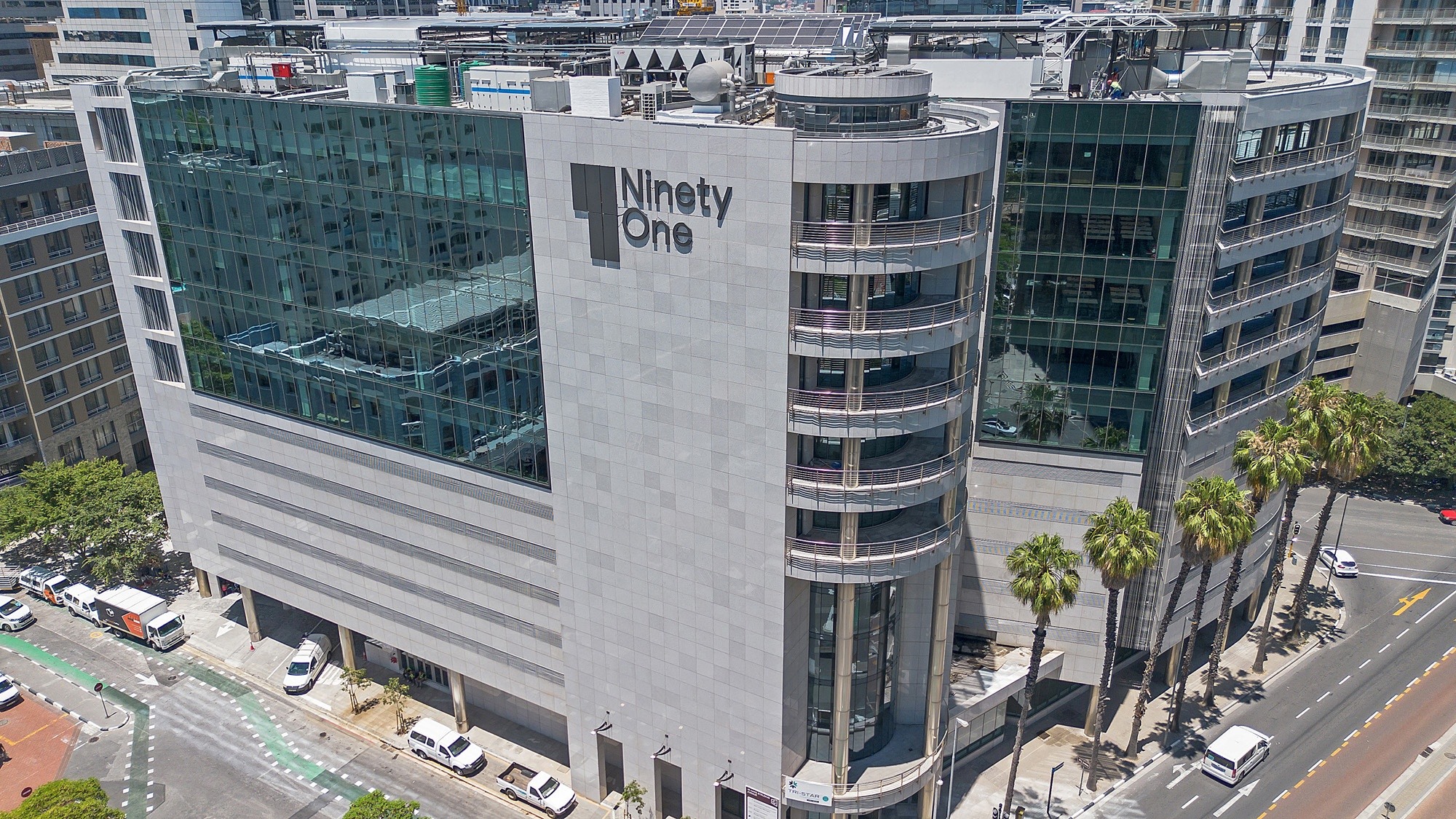
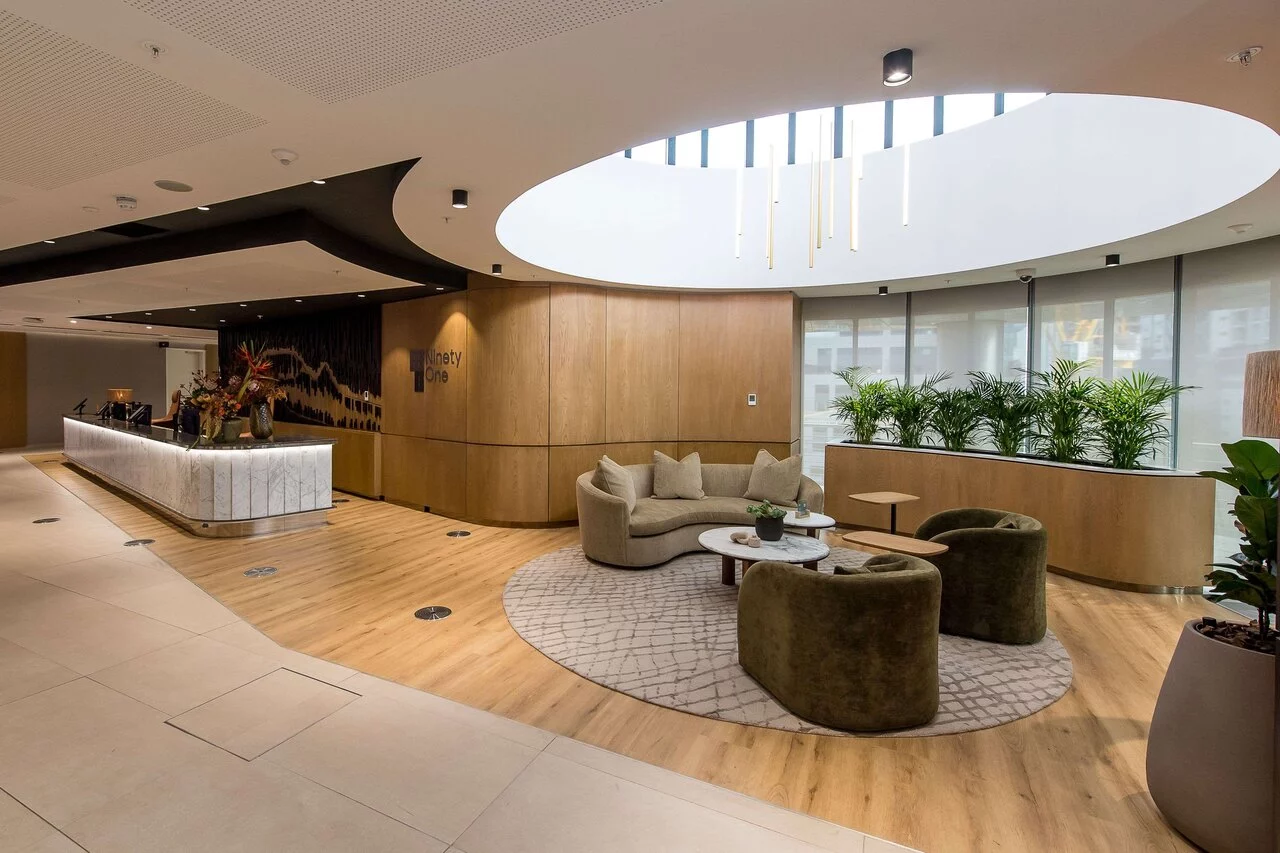
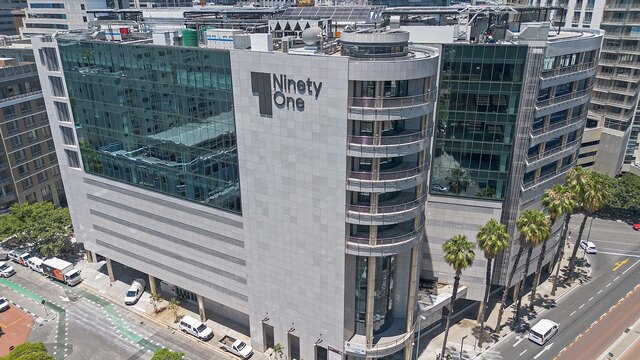
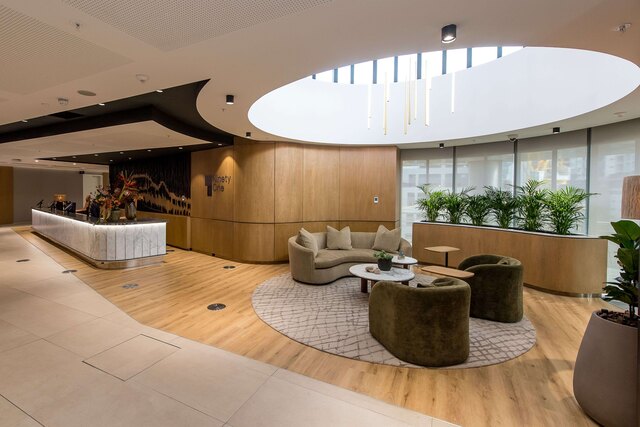
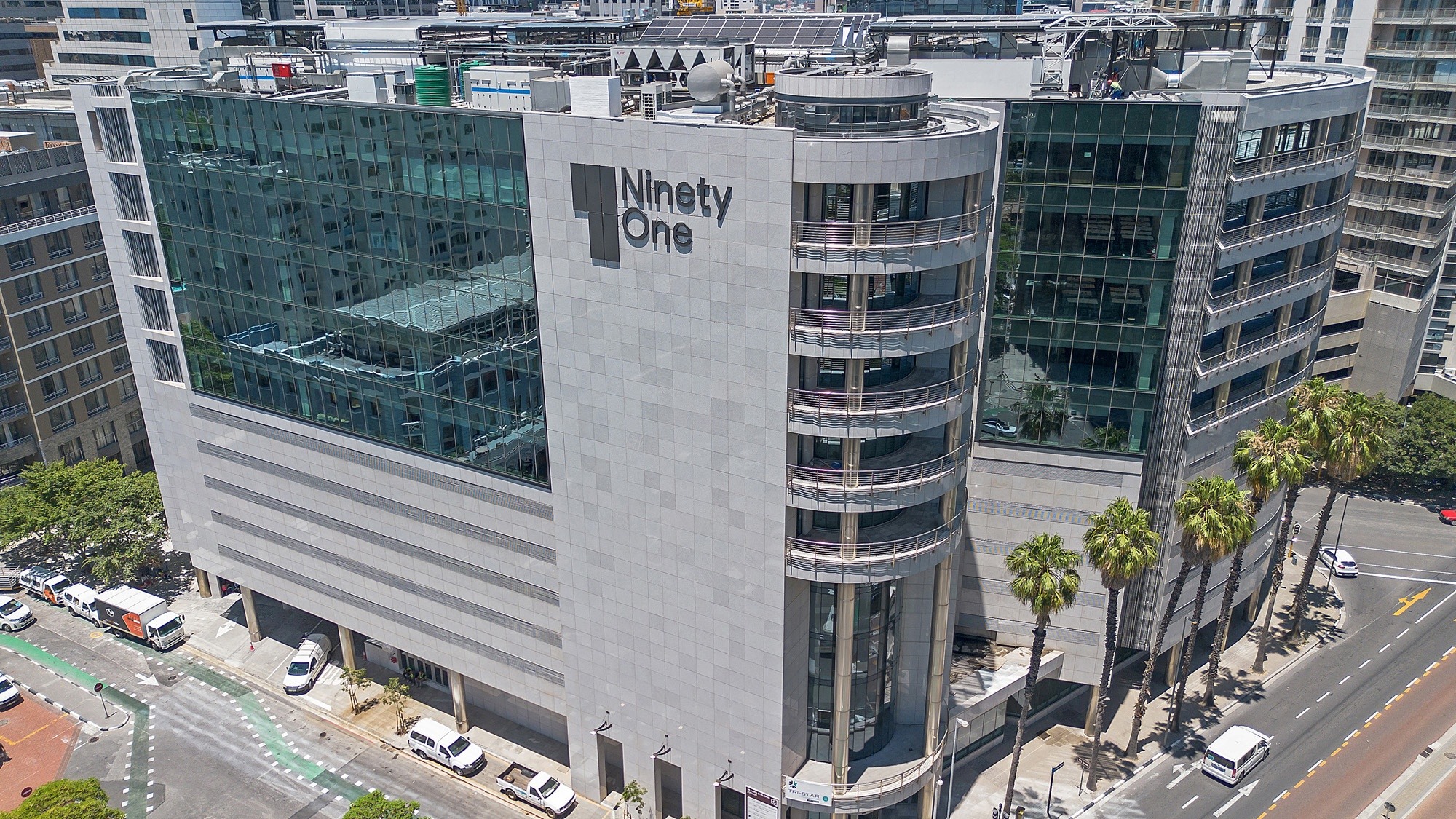
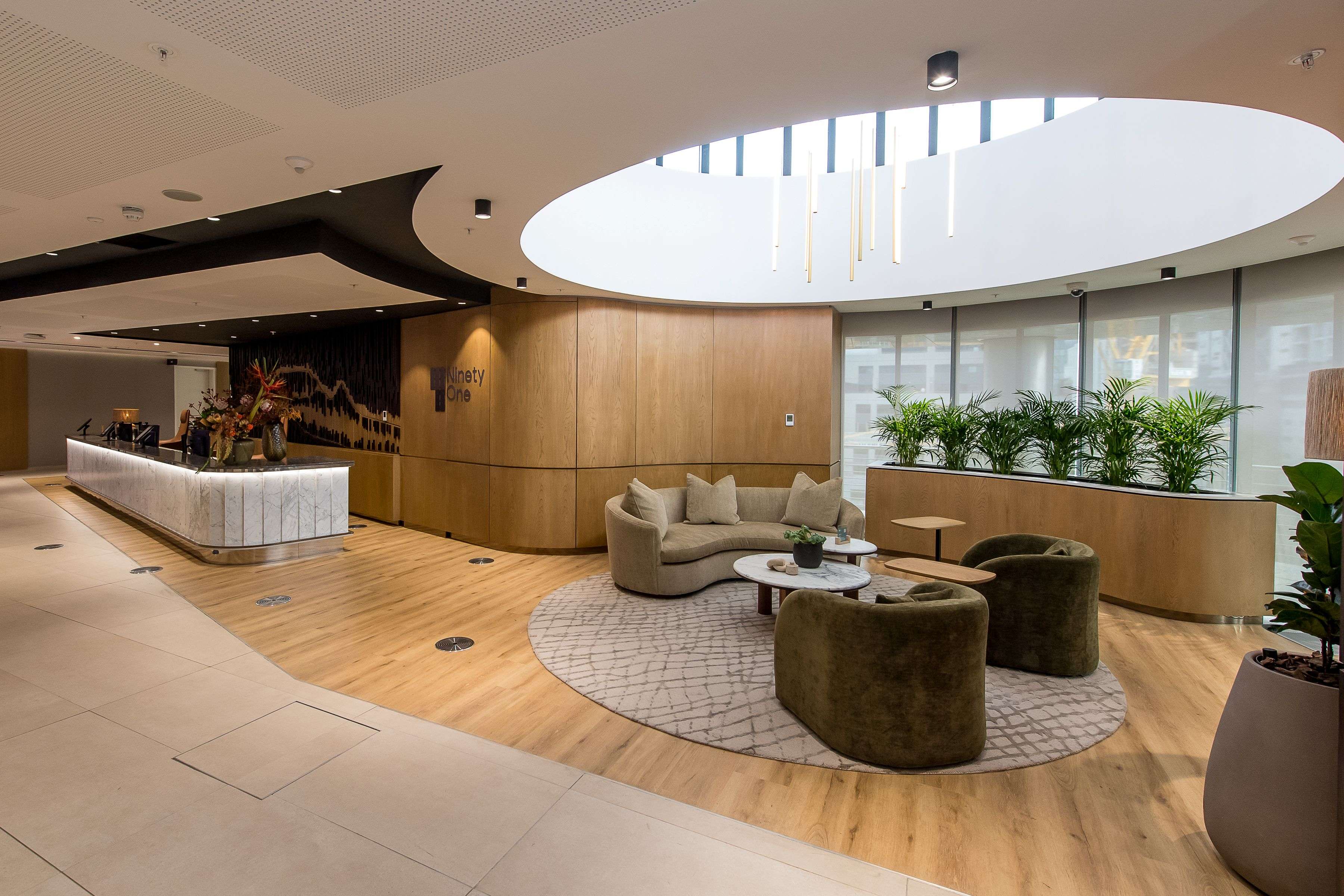
Occupied by global investment manager Ninety One as its Cape Town headquarters, the building has undergone an extensive transformation that combined a full interior modernisation with significant sustainability upgrades and operational carbon reductions.
Ninety One has been based at the Growthpoint-owned building in the Cape Town Foreshore for over two decades, previously as a co-tenant and now on a 15-year lease for the entire building, which was converted to accommodate a single corporate tenant as part of its extensive green revamp. After considering several options, including a new build, Ninety One chose to remain at 36 Hans Strijdom in a decision driven largely by its net-zero carbon ambitions with a solution supported by Growthpoint.
Repositioning an existing asset
The redevelopment of 36 Hans Strijdom Avenue forms part of Growthpoint’s broader environmental sustainability strategy, which includes renewable energy investment, green building certifications, energy efficiency interventions and net-zero carbon targets across its portfolio.
Rather than demolishing the existing structure and rebuilding from scratch, working closely with Ninety One, Growthpoint retained and repositioned the asset through a major refurbishment programme, undertaken by Growthpoint’s development division, which brings a pedigree of benchmark-setting delivery for Growthpoint’s own portfolio and for third-party partners. Retaining the existing concrete structure saved three years’ worth of operational carbon.
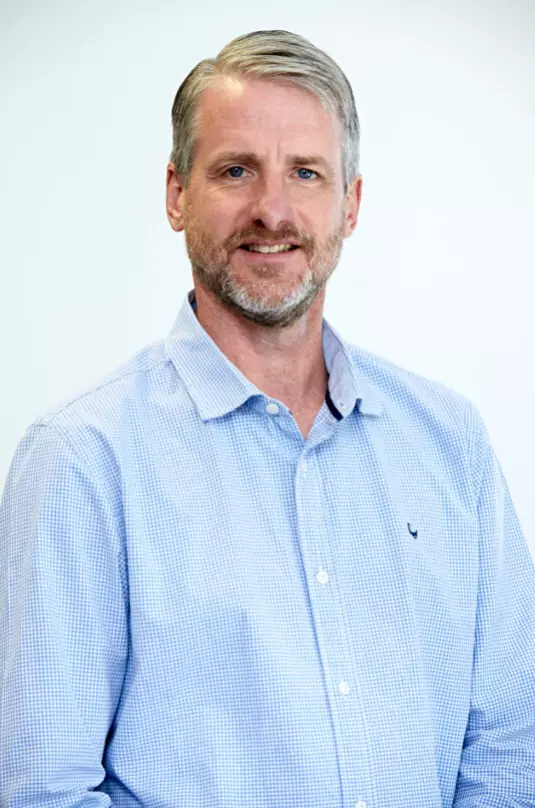
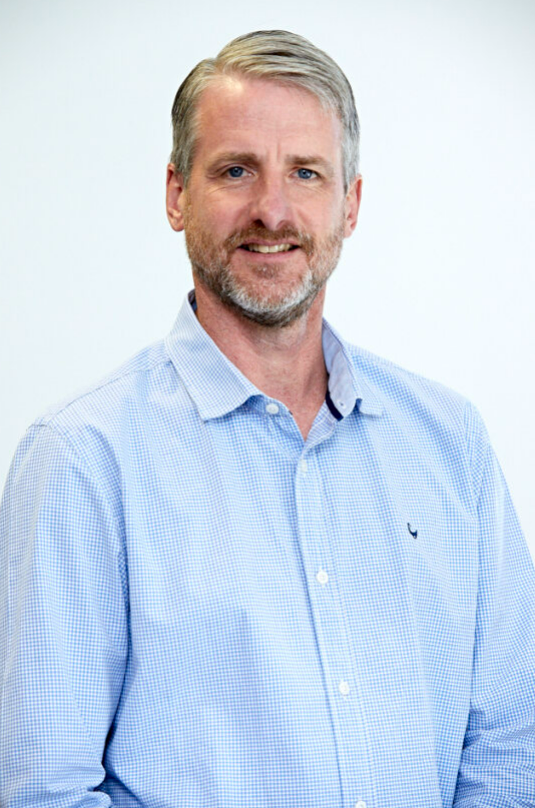
Timothy Irvine, Head of Asset Management for Growthpoint’s Office portfolio, explains that while simply demolishing the building and creating a new one would have been the easier option, the carbon cost associated with a new build is significantly higher.
png
Together with Ninety One, Growthpoint was prepared to tackle the added complexity of working with an existing structure to harness the environmental benefits. Electing to refurbish the property significantly reduced embodied carbon associated with concrete while extending the lifespan of the building and meeting advanced modern sustainability standards.
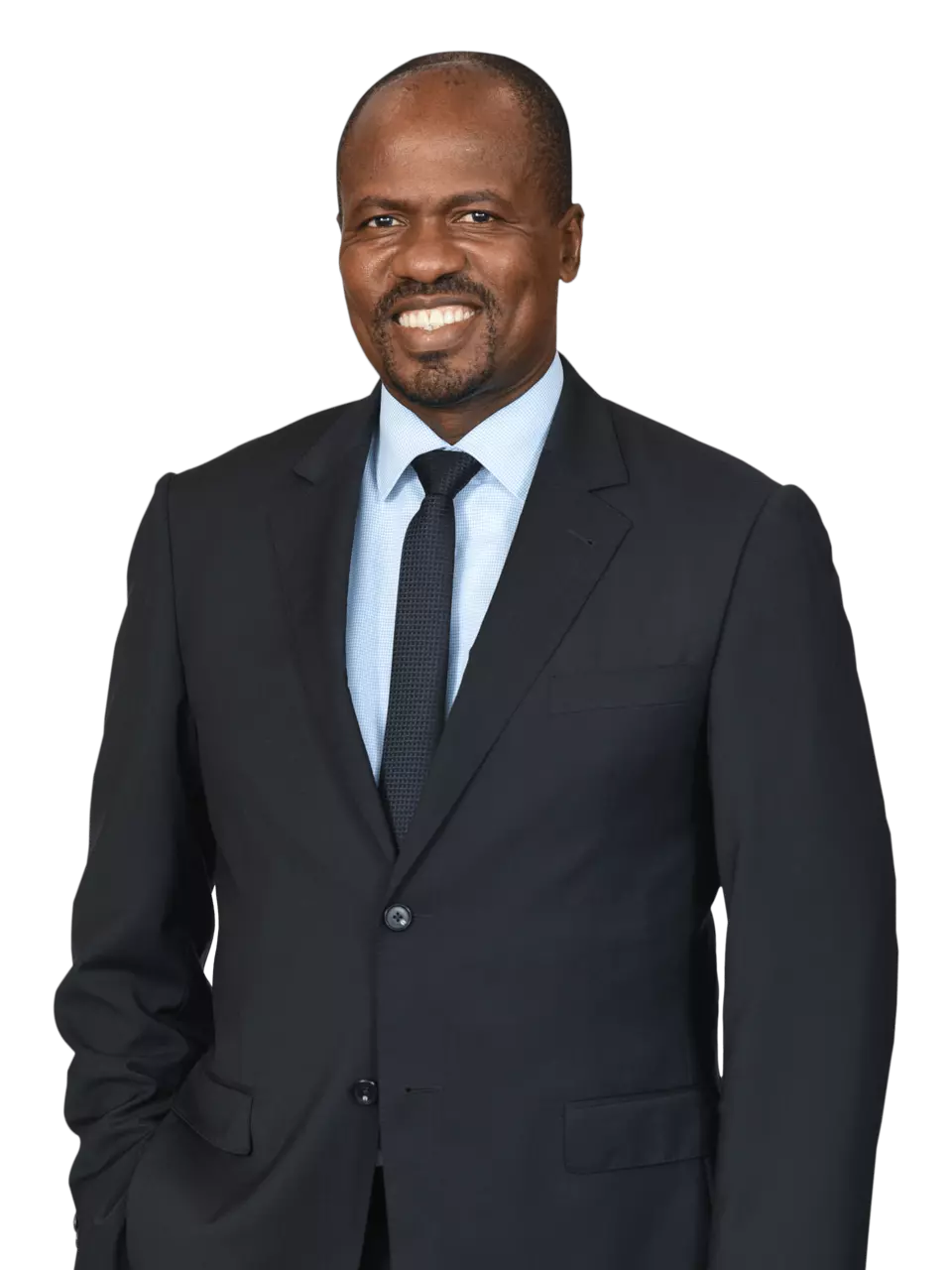
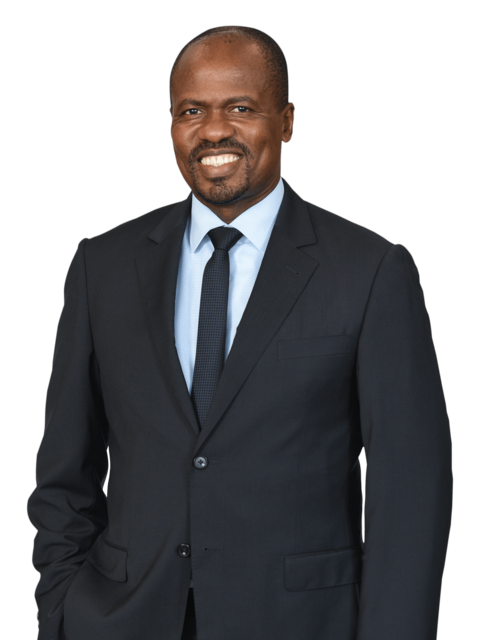
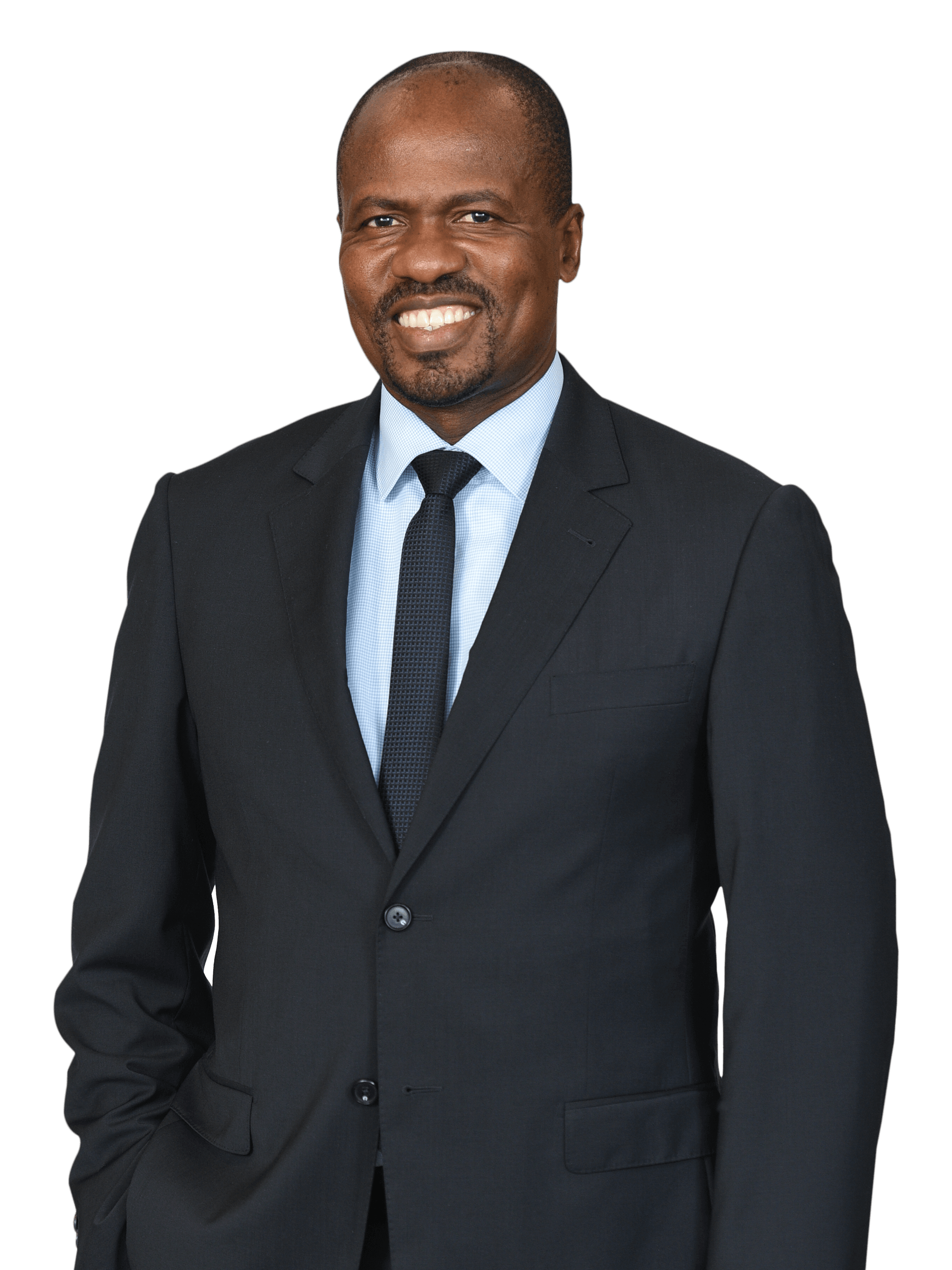
Thabo Khojane, Managing Director of Ninety One, comments, “When we chose to refurbish rather than relocate, our net-zero ambitions were front of mind. Seeing 36 Hans Strijdom achieve Net Zero Carbon Level 2 certification confirms that decision was the right one. It shows what's possible when an existing building is given the chance to be reimagined rather than replaced.”
png
Khojane adds, “Cape Town's Foreshore has been our home for more than two decades, and this certification means we can carry that history forward without compromising on our environmental commitments. We're proud of what this building represents, and grateful to Growthpoint for the partnership that got us here."
Irvine notes the environmentally innovative retrofit demonstrates how existing buildings can be adapted to meet increasingly ambitious environmental performance standards while continuing to deliver prime office space for tenants.
“Projects like 36 Hans Strijdom show that older buildings can be successfully repositioned for a lower-carbon future through a combination of thoughtful design, operational efficiency and renewable energy integration, while also providing modern, efficient, premium-grade space for users” Irvine says.
Building and powering low-carbon performance
The Net Zero Carbon certification builds on a series of sustainability achievements already secured by the property following its redevelopment.
The green refurbishment was designed to support long-term operational efficiency, resilience and reduced carbon emissions through a combination of building upgrades, renewable energy integration and future-focused workplace design.
Sustainability interventions included high-performance glazing, displacement air-conditioning systems, smart building management technologies, energy-efficient lighting and water-saving measures, supported by extensive optimisation programmes throughout the building. The redevelopment also incorporated stairs in place of escalators in key circulation areas to support reduced energy consumption and a more efficient internal environment.
jpg
36 Hans Strijdom has become a symbol of Cape Town's new era of renewable electricity. In 2023, it was one of the first buildings in the City of Cape Town's renewable electricity bilateral wheeling pilot, launched with Growthpoint and Etana Energy, to receive green electricity generated elsewhere and wheeled through the city's grid. For this pilot, the power came from solar generation at Constantia Village shopping centre.
Building on this milestone, in April 2026 the office property became one of five Growthpoint buildings in the city's pooled wheeling pilot. Pooled wheeling enables multiple buildings to receive wheeled renewable electricity through the same municipal grid. In this instance, the electricity is supplied by the Boston Hydroelectric Plant near Clarens in the Free State — co-owned by leading independent power producer Serengeti Energy and Growthpoint, and managed by Serengeti Energy, with Etana Energy as the licensed trader. The power is wheeled across the Eskom network to Cape Town's municipal grid, where it is allocated among the pool of participating Growthpoint properties.
36 Hans Strijdom will ultimately be fully powered by renewable energy, sourcing the majority of its grid electricity through pooled renewable allocation and has become a symbol of what's possible for commercial buildings in dense urban environments.
Retaining, adapting and certifying
The redevelopment also reflects the growing importance of adaptive reuse within the property sector, where retaining and upgrading existing buildings is increasingly recognised as an important way of reducing the embodied carbon associated with large-scale demolition and new construction.
Originally developed during an earlier phase of the Foreshore precinct’s commercial evolution, the repositioned building now offers a high-performance workspace environment aligned with the sustainability objectives of both Growthpoint and Ninety One.
Growthpoint currently holds more than 120 green building certifications across its South African portfolio and has set a target of achieving net-zero certifications for 20 buildings by 2028, while supporting its ambition of carbon neutrality across its portfolio by 2050. The projects are aligned with the Green Building Council South Africa’s (GBCSA) Net Zero Carbon certification framework, which recognises buildings where operational carbon emissions are measured, reduced as far as possible, and balanced through renewable energy and verified offsets.
Reenergising a precinct shaped by electricity infrastructure
jpg
“The history surrounding this Cape Town Foreshore site adds an additional layer of significance to the project,”highlightsWouter de Vos, Growthpoint’s Regional Head: Western Cape.
Historical and planning records relating to the Foreshore precinct show that the area around present-day Hans Strijdom Avenue formed part of the old Dock Road Power Station precinct and accommodated coal-linked electricity generation infrastructure closely tied to Cape Town’s harbour and rail network, including the rail infrastructure associated with coal deliveries that supported the city’s early electricity generation.
At the time, parts of the precinct sat directly on the shoreline of Table Bay before the Foreshore reclamation project reshaped the city’s coastline and commercial core during the mid-20th century.
The original Dock Road Power Station opened in 1904, and later in the 1930s the coal- and oil-fired Table Bay Power Station began operating nearby as Cape Town’s electricity demand expanded alongside the growth of the harbour and city.
Traces of this industrial past remain embedded in local memory. A small locomotive formerly associated with the old power station precinct survives today as part of a children’s play area in Cape Town’s southern suburbs.
Against this historical backdrop, the transformation of 36 Hans Strijdom reflects the broader evolution of both the Foreshore precinct and the commercial property sector itself — from older, resource-intensive infrastructure towards more efficient, lower-carbon urban environments.
jpg
“This redevelopment demonstrates how existing buildings can be adapted and upgraded to support increasingly ambitious sustainability targets while continuing to meet the evolving needs of tenants and cities,” concludesEngelbert Binedell, Growthpoint Properties Chief Operating Officer.
…/ends
About Growthpoint Properties
Growthpoint creates space to thrive with innovative and sustainable property solutions in environmentally friendly buildings, while improving the social and material wellbeing of individuals and communities. Growthpoint is South Africa’s largest primary JSE-listed REIT. It is an international property company invested in real estate and communities in South Africa and across the African continent, Australia and Eastern Europe. Growthpoint is at the forefront of environmental innovation in the property sector in South Africa. Visit growthpoint.co.za for more information. Connect with Growthpoint on Facebook, LinkedIn and YouTube.
Image Captions:
Interior of Ninety One's Office at Growthpoint’s 36 Hans Strijdom Foreshore building in Cape Town
Exterior of Ninety One's Office at Growthpoint’s 36 Hans Strijdom Foreshore building in Cape Town
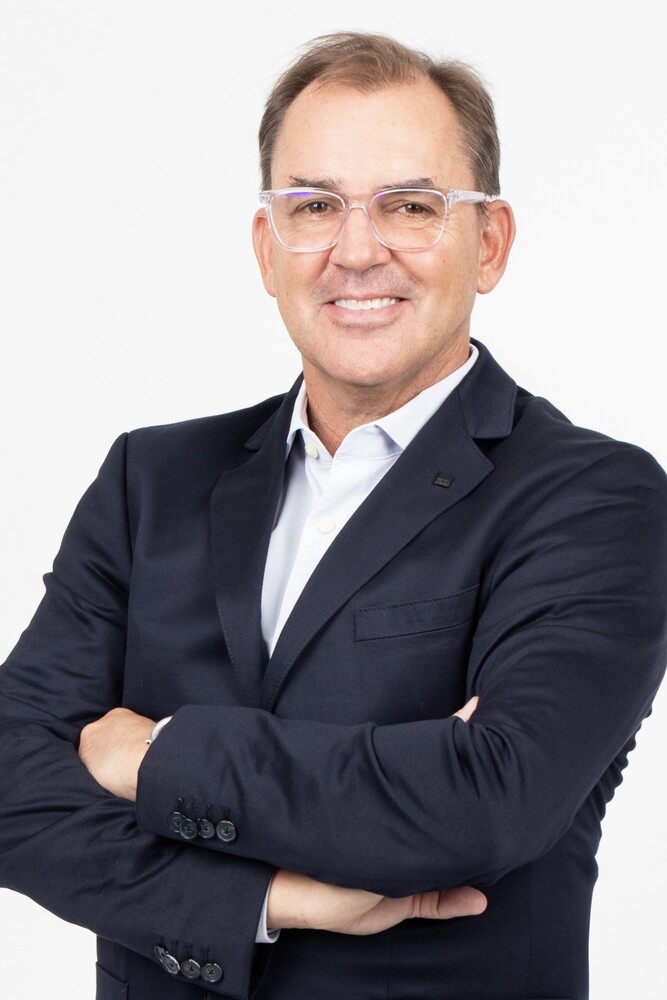
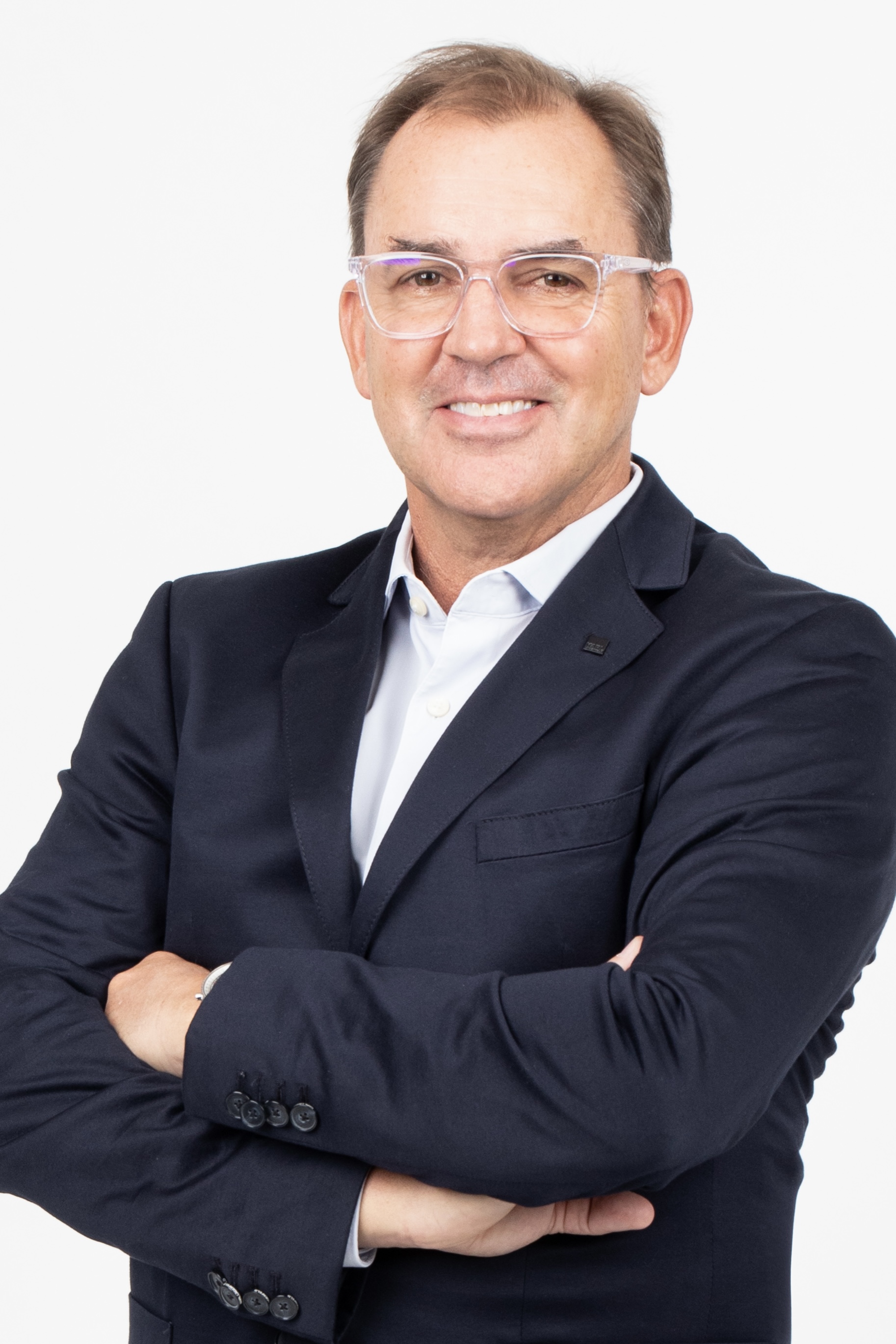
Wouter de Vos, Growthpoint’s Regional Head: Western Cape
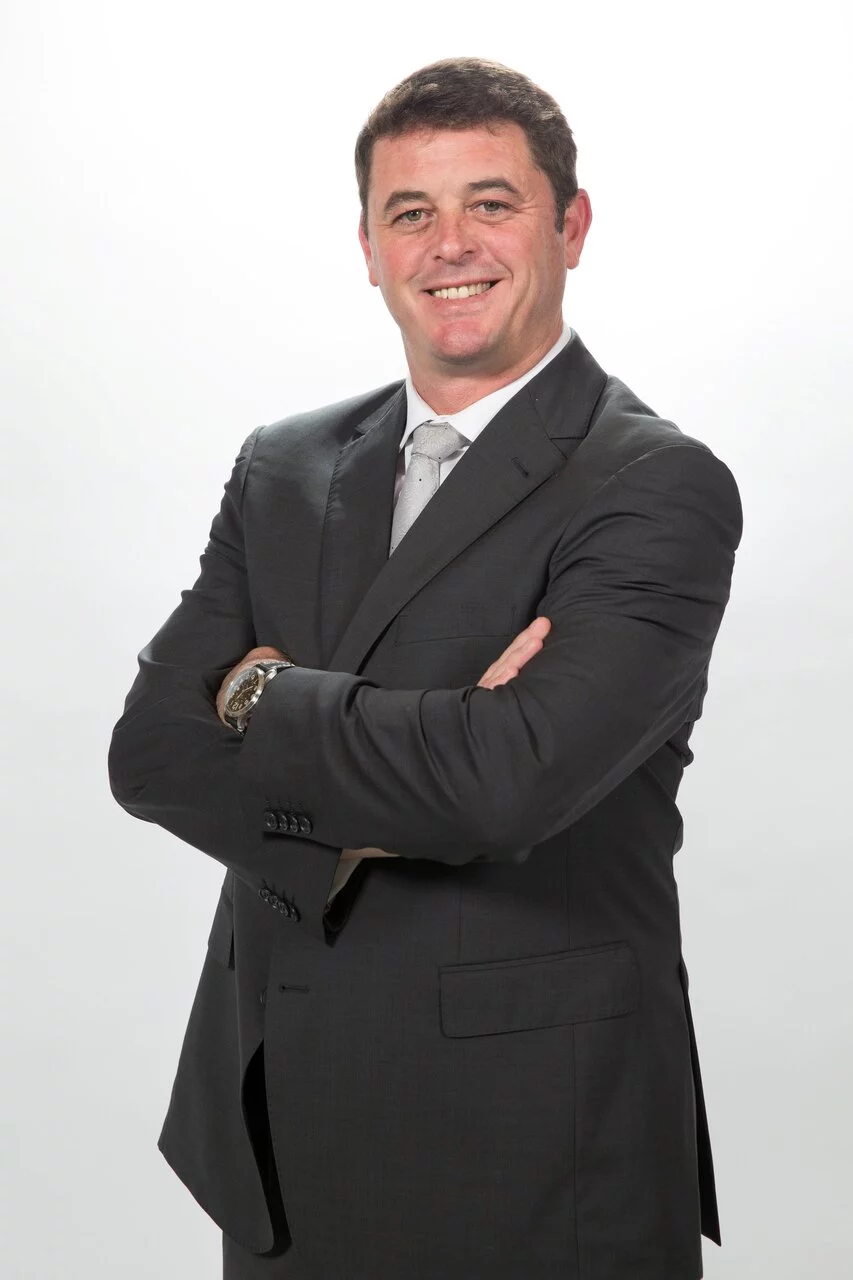
Thabo Khojane, Managing Director of Ninety One
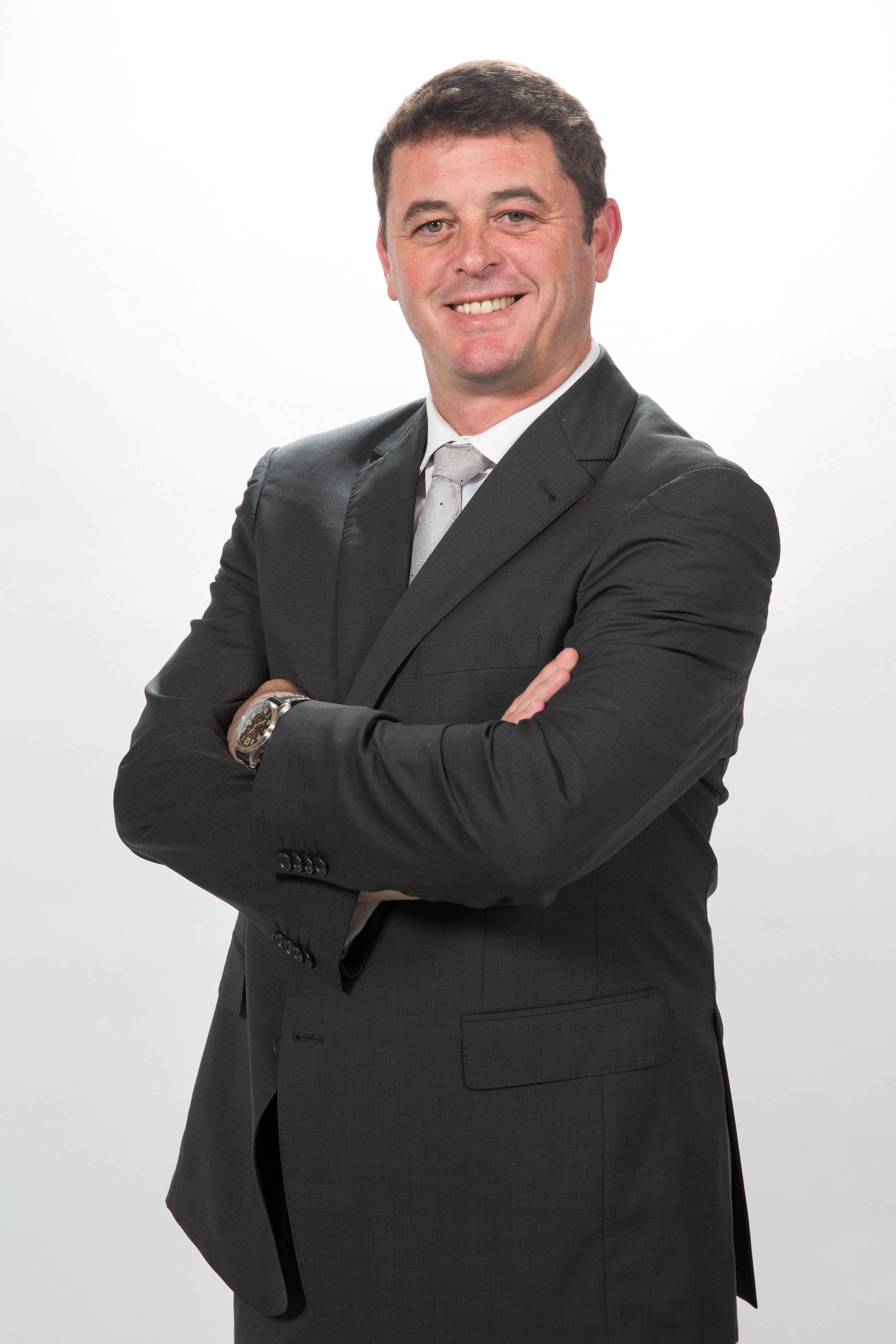
Timothy Irvine, Head of Asset Management for Growthpoint’s Office portfolio
Growthpoint Properties Limited’s (JSE: GRT) half-year results for the period ended 31 December 2025 cement its early turnaround to positive distribution growth. Distributable income per share (DIPS...
Growthpoint Properties (JSE: GRT) is expanding its logistics and industrial property portfolio with the development of Indlovu Logistics Park on the site of the former PPC facility in Montague Gard...
Growthpoint Properties (JSE: GRT) is advancing its strategy of reinvesting in high‑performing South African retail assets with a R75 million redevelopment of the Edgars premises at Walmer Park Shop...
Growthpoint Properties (JSE: GRT) has commenced construction of its new 36,830m² multi-tenanted logistics park, Tecoma Park, in the rapidly emerging Cornubia Town economic hub in KwaZulu-Natal.
Receive exclusive news
Are you a journalist or do you work for a publication? Sign up and request access to exclusive news.