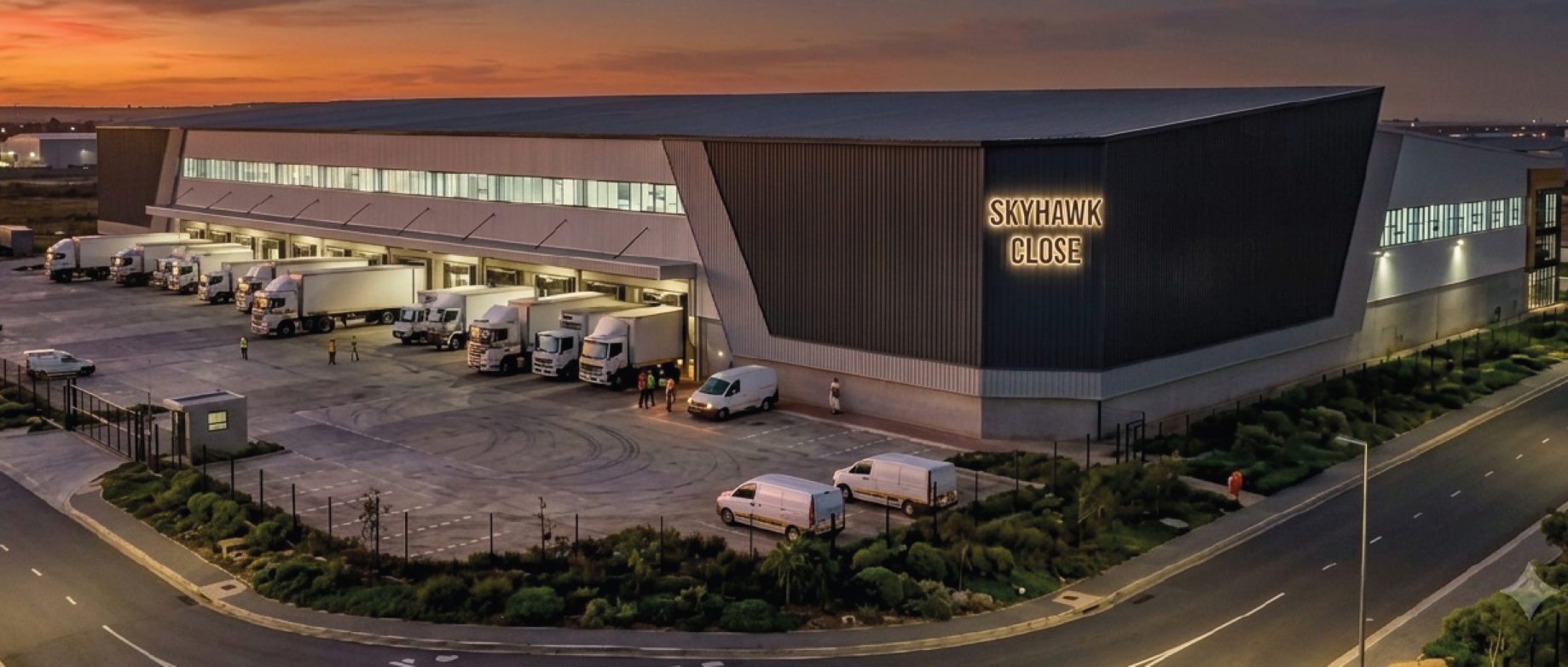
Cape industrial market enters new phase as speculative development accelerates
Cushman & Wakefield | BROLL says sustained demand, strong rental growth and constrained supply are reshaping the development equation in the Cape Metropole.
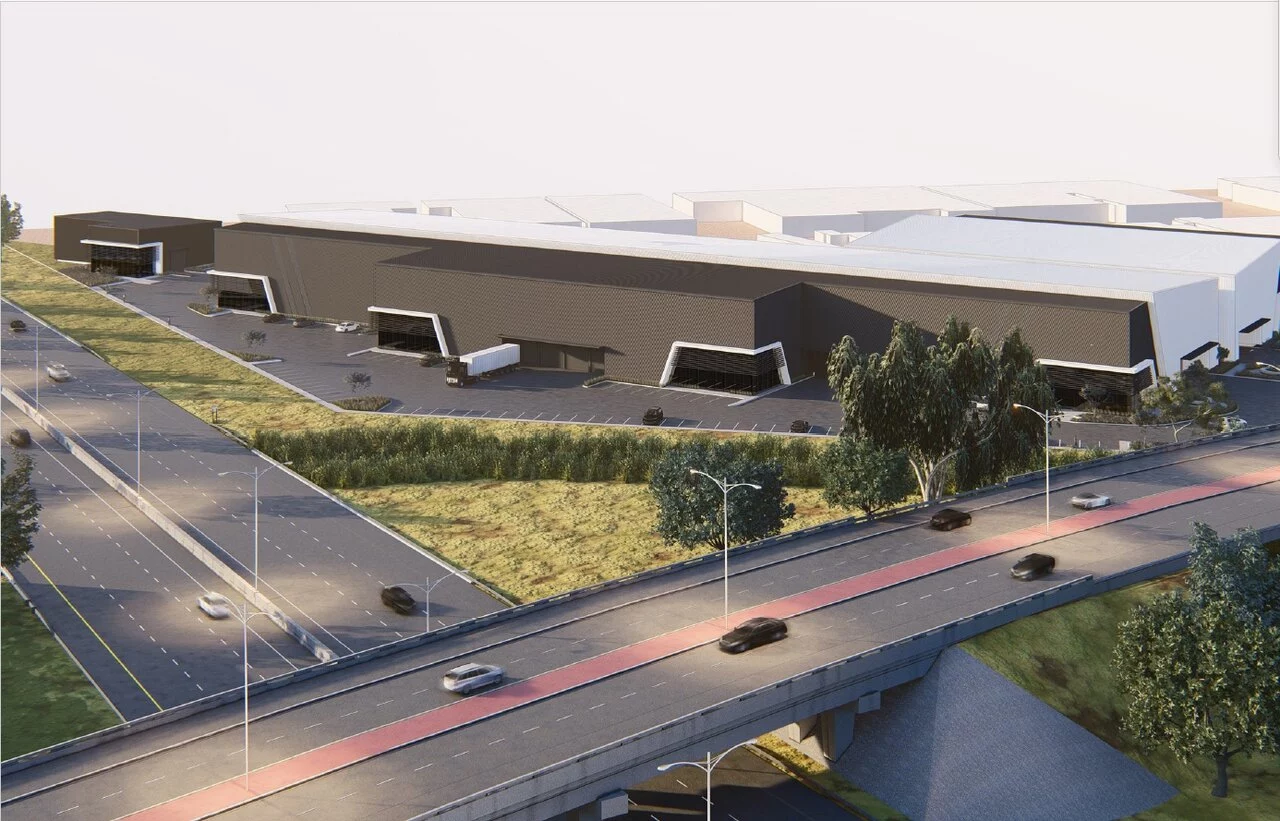
The industrial property market in the Cape Metropole has entered a new phase. After decades of relatively constrained speculative development, developers are increasingly prepared to build industrial facilities without secured tenants - a significant shift that reflects growing confidence in one of South Africa's strongest-performing commercial property sectors.
This marks a notable departure from how the metropoles’s market has traditionally operated. For years, speculative industrial development remained limited as developers sought to minimise risk by securing tenants before commencing with the development. Today, however, sustained occupier demand, strong rental growth and a shortage of well-located industrial space have fundamentally changed that equation. Developers are increasingly willing to invest ahead of confirmed demand.
jpg
"That risk appetite has shifted," says Shane Howe, Head of Industrial Broking, Western Cape at Cushman & Wakefield | BROLL.
"For many years, industrial development in the Cape was largely driven by specific occupier requirements. Developers would typically secure a tenant before committing to the development, or owner-occupiers would develop facilities for their own operational needs. Outside of a handful of established market leaders, few developers were prepared to build without a lease in place.
At present, developers are increasingly committing capital and commencing construction on the expectation that the market will absorb the space. Given the holding costs associated with vacant industrial buildings, that's a significant vote of confidence in the underlying strength of the Cape industrial market.
This isn't simply a case of more buildings going up. The real shift is that developers are backing the underlying fundamentals of the market and its ability to absorb new space. Sustained occupier demand, several years of strong rental growth and a shortage of well-located industrial land have fundamentally reshaped the development landscape."
Rental growth changes the equation
The shift follows several years of strong industrial property performance. Demand for warehousing and logistics space accelerated following the onset of the Covid-19 pandemic, supported by changing supply chains and the growth of e-commerce. At the same time, years of limited speculative development left the Cape market with constrained supply in many established industrial nodes.
The impact is evident in rental growth. Cushman & Wakefield | BROLL’s analysis of asking rentals at leading A-grade industrial parks in the Cape Metropole shows increases of as much as 58% since the second quarter of 2021.
“In some established developments, asking gross rentals that were around R60/m² five years ago are now in the region of R90/m² to R95/m²,” says Howe. “That movement gives a very clear indication of what has happened in the market over a relatively short period.” He adds that premium new logistics warehouses are now commanding net rentals of R105/m² to R115/m².
These conditions have changed the development equation.
Howe explains. “The important change is that developers are increasingly willing to build without first securing a tenant. They are effectively backing their understanding of the market and its ability to absorb new space,” Howe explains.
jpg
Building for a broader market
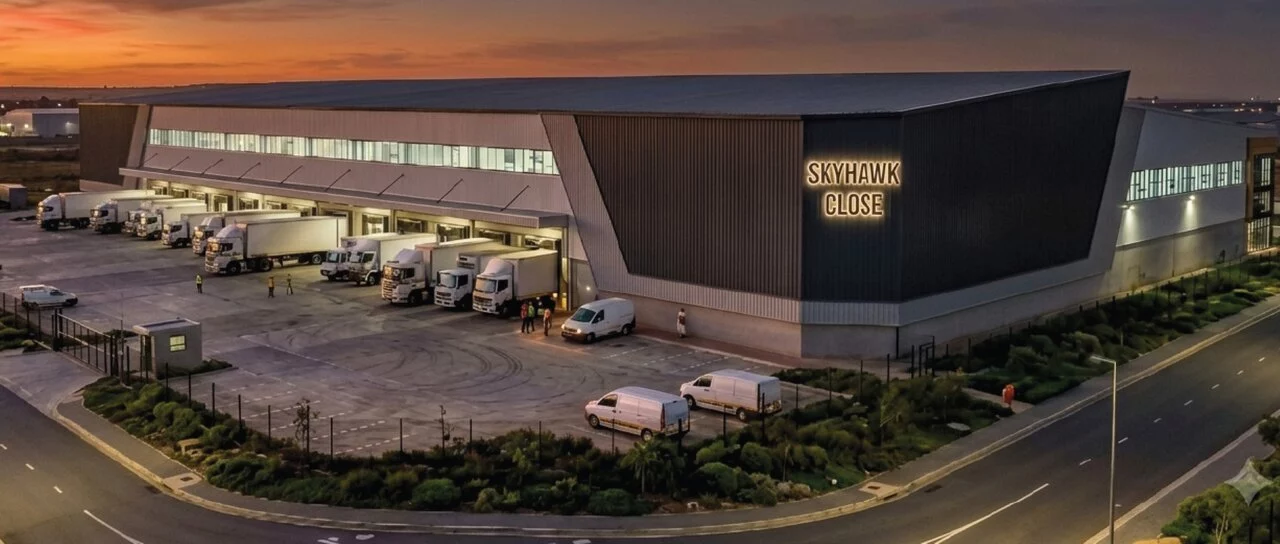
Speculative development is taking place across a wide range of unit sizes, from smaller facilities of around 500m² to buildings of approximately 5 000m². Larger schemes may also be designed to allow adjacent units to be combined where required.
“The principle behind a speculative build is that it isn’t bespoke to a tenant, so versatility is extremely important,” says Howe. “Developers are designing buildings to accommodate as broad a range of occupiers as possible. That said, the fundamental focus remains on the storage and distribution sector.”
While approved development plans and planning rights naturally limit wholesale changes, there may be scope to adapt office components, loading doors and internal configurations or combine adjoining units for a larger occupier.
Highly specialised industrial users will continue to require bespoke facilities designed around specific process flows, racking, loading or operational requirements. For much of the broader warehousing, logistics and industrial market, however, Howe says well-designed speculative stock can offer the flexibility required.
A finite supply of development opportunities
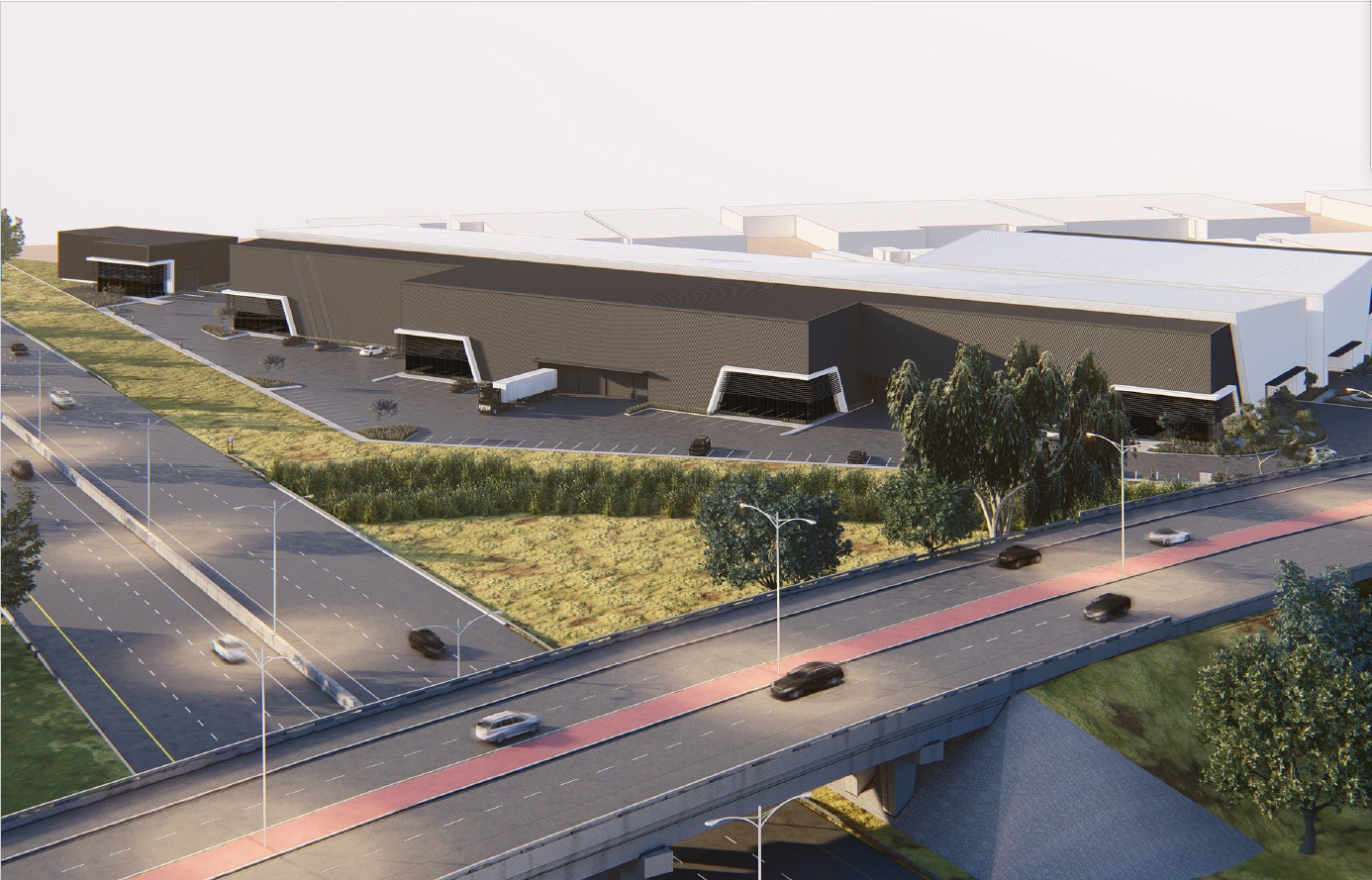
Activity is spread across the Cape Metropole, with development following the availability of suitably zoned land at viable pricing, proximity to major transport routes and access to the broader metropolitan market.
However, well-located development land remains constrained. Much of the larger developable industrial land within the Metropole has already been secured, leaving few viable opportunities or sites further from established nodes.
Brownfields redevelopment has not necessarily provided an easy alternative.
“Rental levels have grown strongly, but acquisition and redevelopment costs still make wholesale brownfields redevelopment infeasible in many instances,” says Howe. “Older or functionally obsolete industrial stock that can be acquired and repurposed, are commanding prices that make complete redevelopment for warehousing use =difficult to justify.”
The result is a market where strong demand and rental growth are supporting new development, but the supply of viable development opportunities remains finite.
jpg
Capital markets remain buoyant
The strength of the occupier market is being mirrored in the capital markets, where investor appetite for well-located industrial assets remains robust. Sales of premium warehousing have achieved yields of between 8% and 9%, with a handful of assets trading hands at sub-8% levels, while older, good-quality warehousing is trading at yields of between 9% and 9.5%.
Demand for these investment opportunities is being underpinned by the certainty of locked-in escalations and continued strong tenant demand for well-located warehousing, which has driven upward pressure on rentals. In this positive cycle, it makes sense for well capitalized developers and funds to progress developments on their land holdings on a speculative basis in order to accelerate their returns rather than wait for a typical RFP from the market and enter into a prolonged bidding and development period, which causes a cash drag on the land. For additional information on current investment opportunities, contact Sean Berowsky, Director of Capital Markets at Cushman & Wakefield | BROLL on 082 810 8950/ sberowsky@broll.com
Understanding the pipeline
For industrial occupiers, the growth in speculative development is creating more choice, particularly for businesses seeking modern A-grade facilities without the lead times associated with a fully purpose-built development. It also makes detailed knowledge of the development pipeline increasingly important.
“There is a substantial amount happening across the Cape industrial market, but the opportunities are not all the same,” says Howe. “Location, timing, unit configuration specification also and the degree of flexibility available are just some of the key factors that need to be considered in the property procurement process.”
“Developers are responding to the strength of the market, but suitable land remains constrained and demand continues to support rental growth,” he says. “For tenants, developers and owner-occupiers, understanding where the next opportunities are coming from is becoming increasingly important to procurement strategy
For a detailed report, or for more information on the opportunities in and around the industrial property ecosystem within the Cape Metropole, contact Shane Howe Head of Industrial Broking of Western Cape at Cushman & Wakefield | BROLL on 072 261 1863 / showe@broll.com.
…/ends
ABOUT CUSHMAN & WAKEFIELD | BROLL:
As a leader in property, Cushman & Wakefield | BROLL designs, delivers and manages real estate solutions to achieve business goals.We create value across all sectors with expertise, experience and cutting-edge technology. Our proven results in seven African regional hubs are driven by highly specialised real estate intelligence, a network of skilled professionals, and insight gained from years of delivering success to many of the largest corporates in Africa. The exclusive African affiliation of Cushman & Wakefield and Broll Property Group combines resources from a global real estate services leader with a market-leading track record of African operations. Our corporate real estate services and end-to-end solutions prepare our clients for what’s next. Visit cwbroll.com for more information. Connect with us on Facebook, LinkedIn and YouTube.
Laser facility
Growthpoint Properties (JSE: GRT) is set to complete the development of its 23ha Growthpoint Industrial Estate in Meadowdale, Germiston, with a new 6,518sqm purpose-built logistics f...
Newlyn Group’s development of Newlyn Logistics Park in Gqeberha, Eastern Cape, is progressing into its next stage, with the first 10,000sqm warehouse nearing completion and construction of a second...
Newlyn Group, a leading South African ports logistics and infrastructure developer, has concluded a R5-billion integrated financing solution with Absa CIB, which will power its national development...
Growthpoint Properties (JSE: GRT) has commenced the next phase of redevelopment at 7 Chain Avenue in Montague Gardens, building on the strong performance of the site’s recently completed Phase 1 an...
Receive exclusive news
Are you a journalist or do you work for a publication? Sign up and request access to exclusive news.